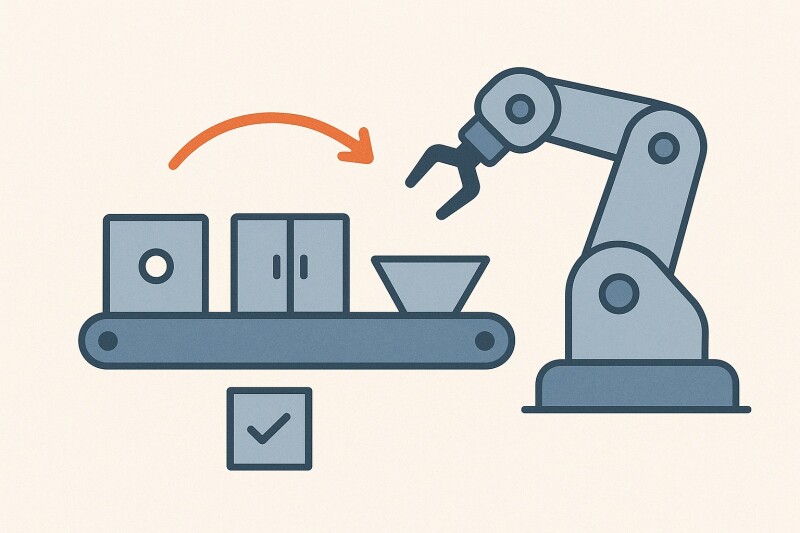
How EMS Providers Automate Without Killing Flexibility
- October 28, 2025
How EMS Providers Automate Without Killing Flexibility Electronic Manufacturing Services (EMS) companies thrive on high product variability. But...
Read More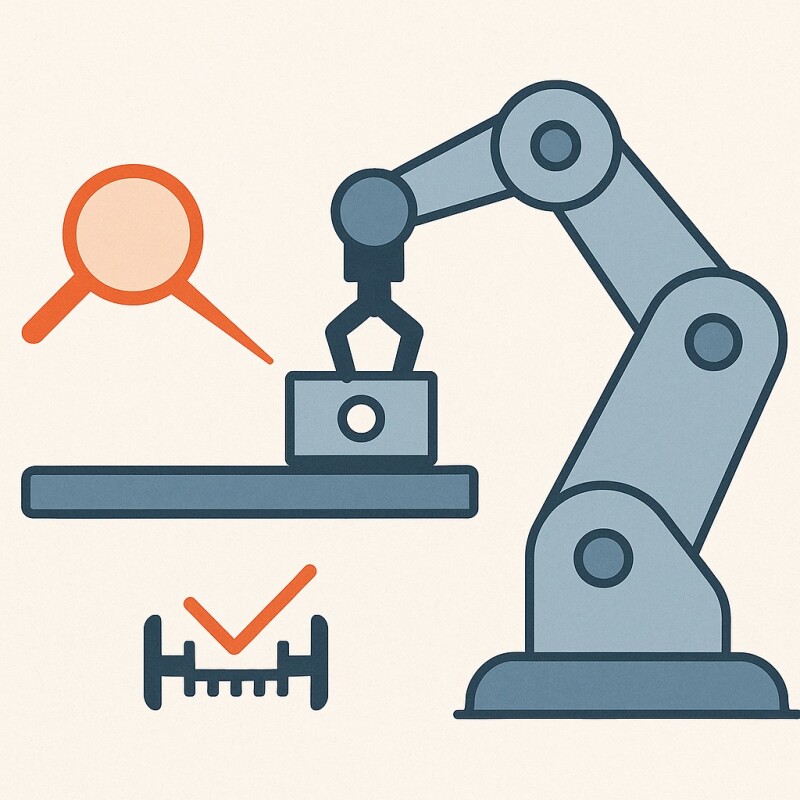
Robots for Tiny Tolerances: Vision and Force Strategies
- October 28, 2025
Robots for Tiny Tolerances: Vision and Force Strategies Electronic assemblies often demand sub-100-micron accuracy. Achieving this repeatably req...
Read More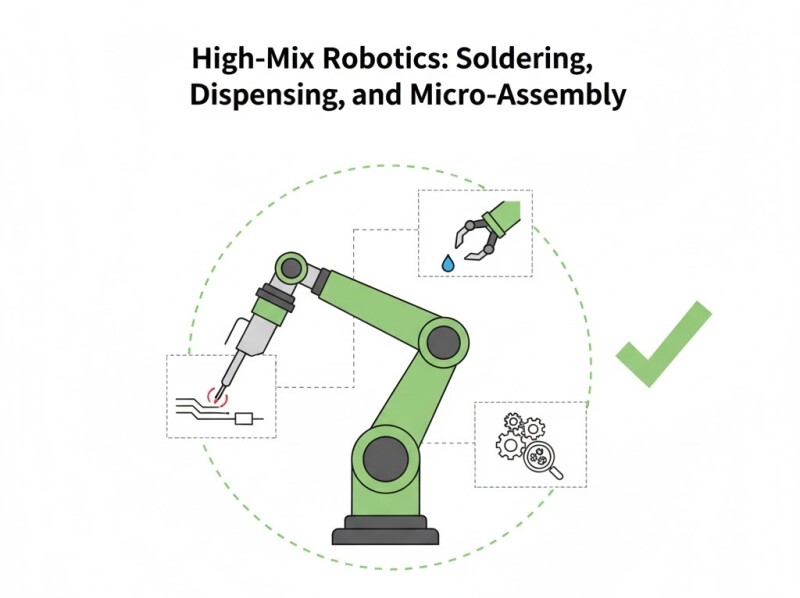
High-Mix Robotics: Soldering, Dispensing, and Micro-Assembly
- October 28, 2025
High-Mix Robotics: Soldering, Dispensing, and Micro-Assembly In electronics manufacturing, high-mix, low-volume production has always challenged...
Read More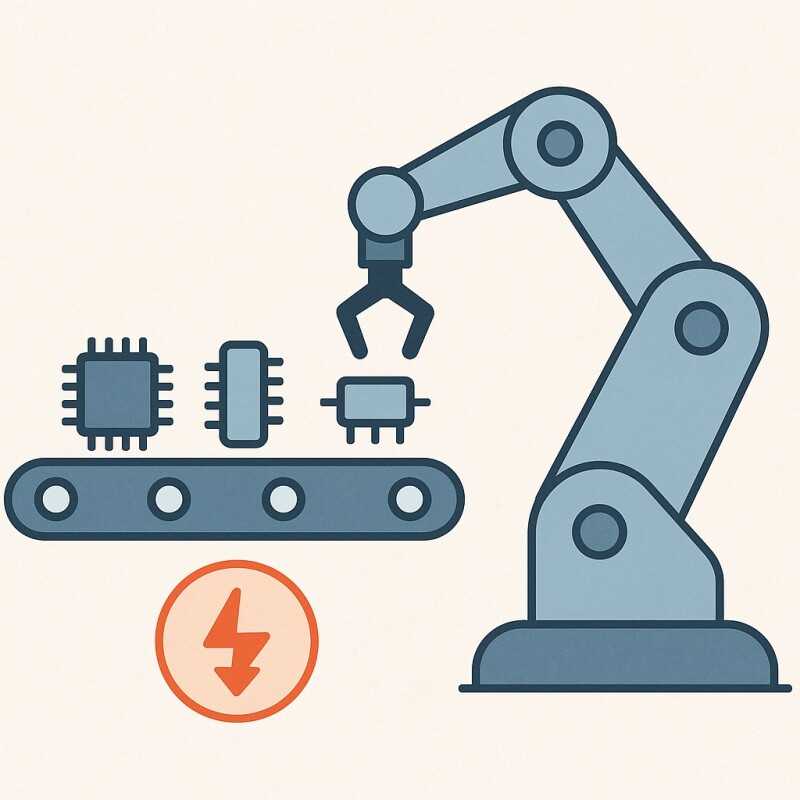
ESD-Safe Automation: What Integrators Forget
- October 28, 2025
ESD-Safe Automation: What Integrators Forget Electrostatic discharge (ESD) can silently destroy microelectronic components. As robots take over h...
Read More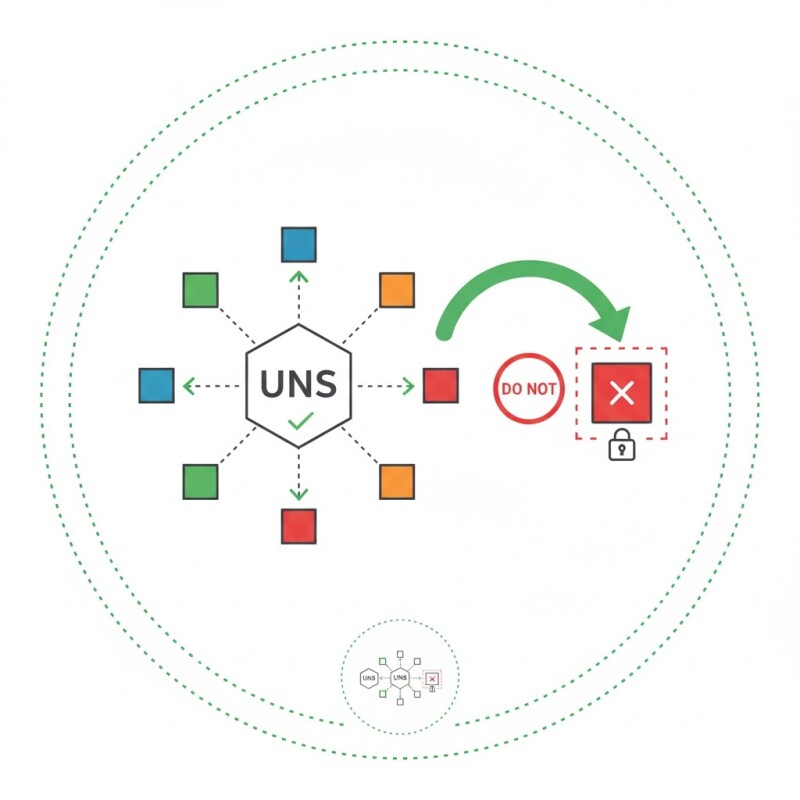
How to Avoid Creating a New Data Silo with Your UNS
- October 28, 2025
How to Avoid Creating a New Data Silo with Your UNS The irony of many Unified Namespace (UNS) projects is that they end up creating another silo...
Read More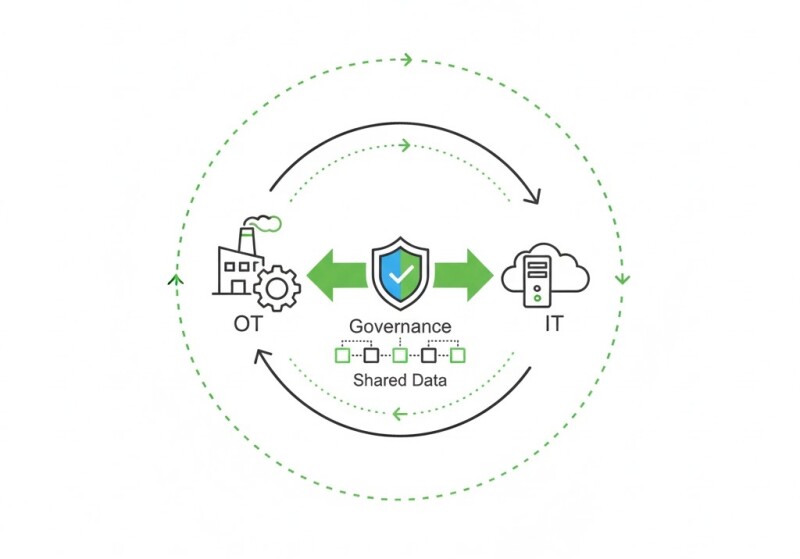
Bridging OT and IT: Governance for Shared Data
- October 28, 2025
Bridging OT and IT: Governance for Shared Data Operational Technology (OT) and Information Technology (IT) have historically worked in silos &mda...
Read More

Naming Conventions for UNS: Keep It Human, Keep It Hierarchical
- October 28, 2025
Naming Conventions for UNS: Keep It Human, Keep It Hierarchical A Unified Namespace is only as usable as its naming scheme. Engineers, analysts,...
Read More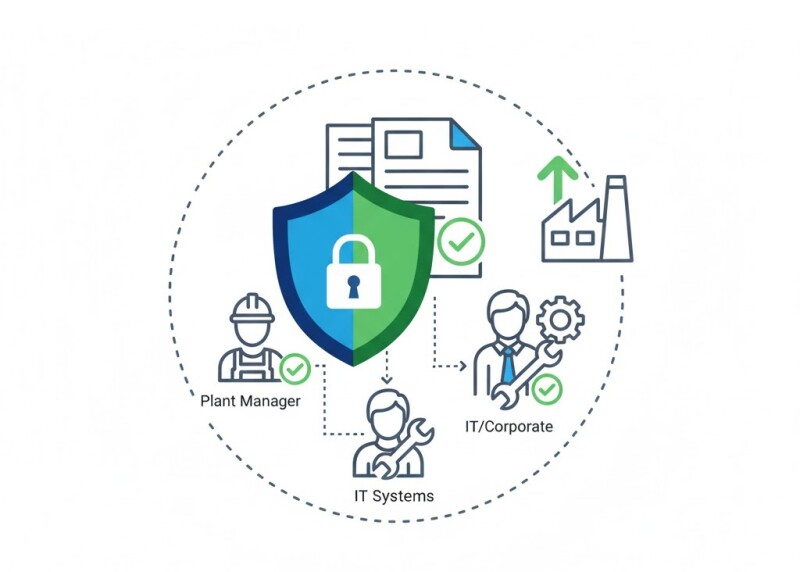
Data Ownership in OT: Who Owns What, and Why It Matters
- October 28, 2025
Data Ownership in OT: Who Owns What, and Why It Matters As plants adopt Unified Namespace architectures, data ownership becomes a governance chal...
Read More
Designing a Plant-Wide Data Model That Scales
- October 28, 2025
Designing a Plant-Wide Data Model That Scales A Unified Namespace (UNS) only delivers value if its underlying data model is consistent, scalable,...
Read More
Query Patterns for Fast Root-Cause Analysis
- October 28, 2025
Query Patterns for Fast Root-Cause Analysis When a production issue strikes, time is everything. Engineers need historian queries that return res...
Read More
Data Retention in Regulated Industries: How to Stay Compliant
- October 28, 2025
Data Retention in Regulated Industries: How to Stay Compliant Pharma, energy, and food manufacturers face strict requirements for how long produc...
Read More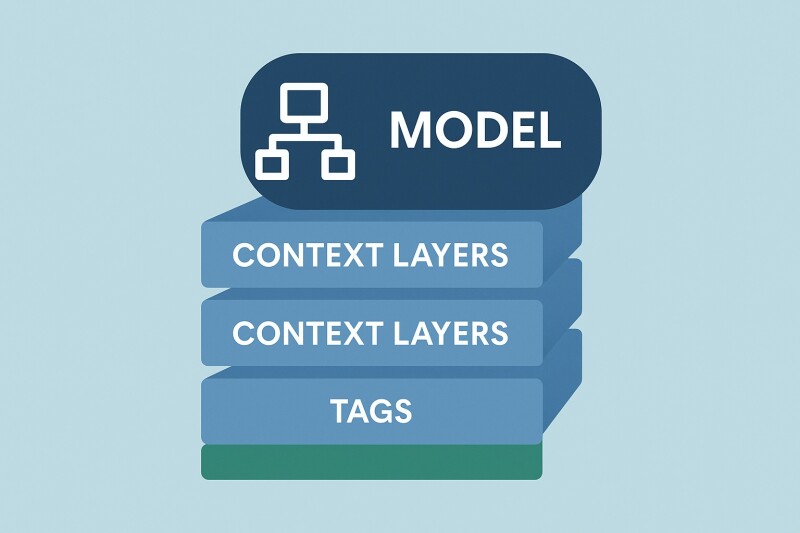
From Tags to Models: Context Layers That Unlock Value
- October 28, 2025
From Tags to Models: Context Layers That Unlock Value Industrial data becomes exponentially more valuable when structured. Moving from raw tags t...
Read More
Choosing a Time-Series DB for OT: Requirements That Matter
- October 28, 2025
Choosing a Time-Series DB for OT: Requirements That Matter Not all time-series databases are created equal. In OT environments, performance and r...
Read More
Modernizing the Historian: Compression, Context, and Contextualization
- October 28, 2025
Modernizing the Historian: Compression, Context, and Contextualization The plant historian has evolved from a simple tag logger to a contextual d...
Read More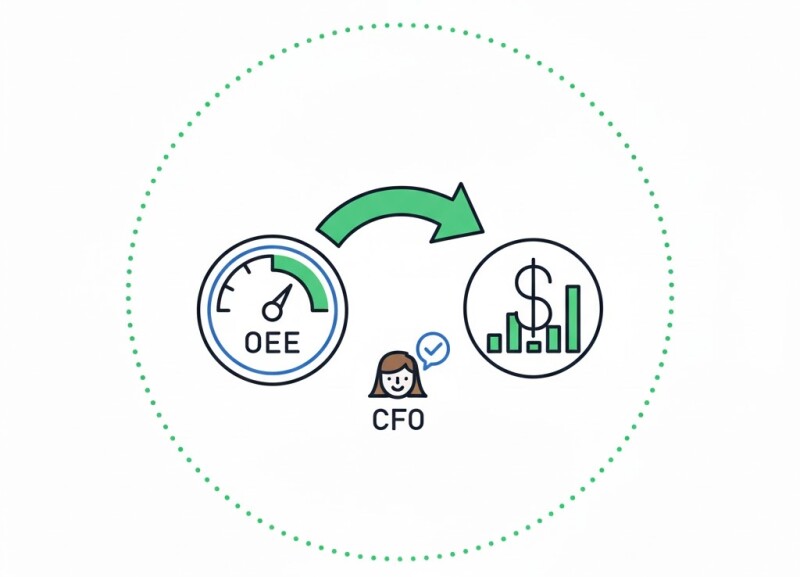
Tying OEE to Profit: A CFO-Friendly Guide
- October 28, 2025
Tying OEE to Profit: A CFO-Friendly Guide For many executives, OEE feels like a technical metric with unclear financial meaning. Translating equi...
Read More
Run Rules: What to Alert On (and What to Ignore)
- October 28, 2025
Run Rules: What to Alert On (and What to Ignore) Not all alarms are created equal. A line that alerts too often trains operators to ignore signal...
Read More
Loss Trees That Operators Actually Use
- October 28, 2025
Loss Trees That Operators Actually Use Loss trees are visual tools that categorize productivity losses into availability, performance, and qualit...
Read More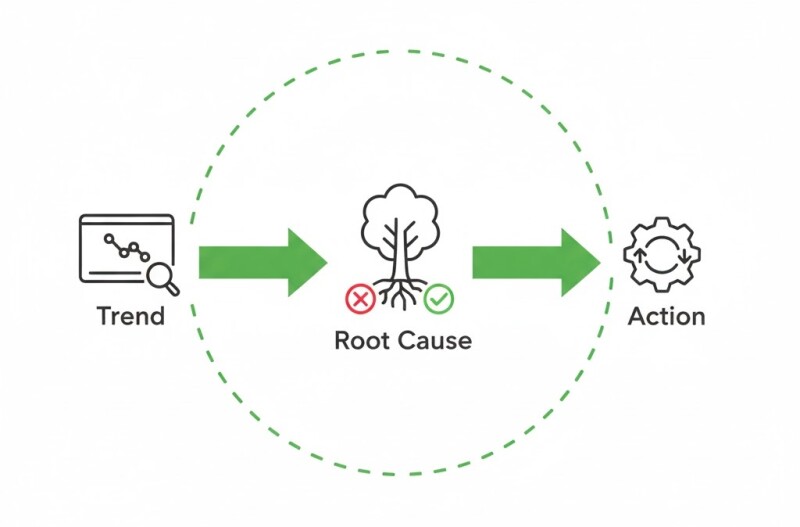
OEE That Drives Action: From Trend to Root Cause
- October 28, 2025
OEE That Drives Action: From Trend to Root Cause Overall Equipment Effectiveness (OEE) is one of the most used metrics in manufacturing — b...
Read More
Changeover Reduction with Data: SMED Meets Analytics
- October 28, 2025
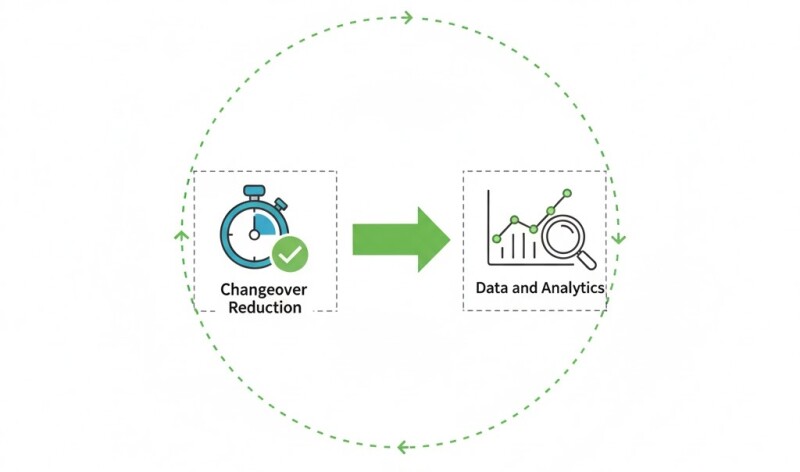
Changeover Reduction with Data: SMED Meets Analytics Single-Minute Exchange of Dies (SMED) has long been the gold standard for reducing changeove...
Read More
Integrating MES with ERP and LIMS: Patterns That Don’t Break
- October 28, 2025
Integrating MES with ERP and LIMS: Patterns That Don’t Break MES integration with ERP and LIMS often fails due to poor data mapping or uncl...
Read More