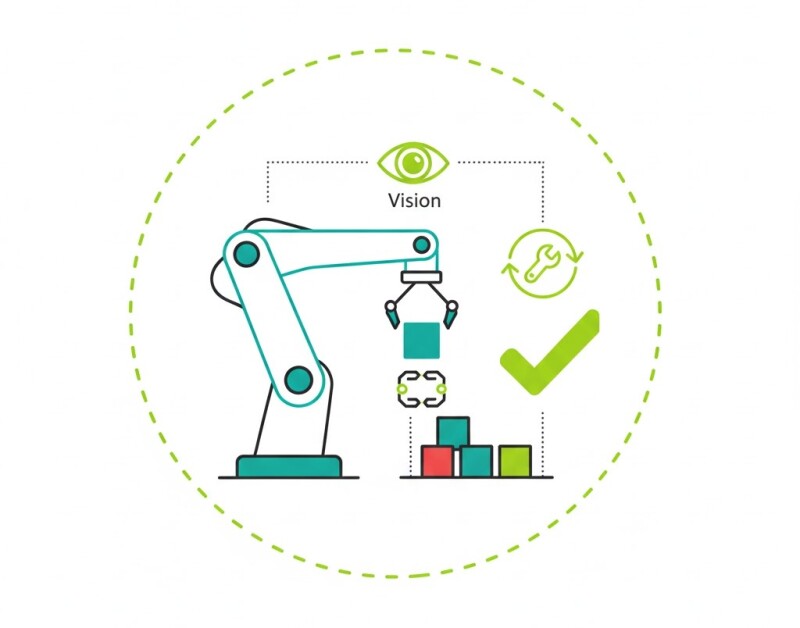
Robotic Picking Accuracy: Vision, Grippers, and Feedback
- October 29, 2025
Robotic Picking Accuracy: Vision, Grippers, and Feedback Picking accuracy defines the success of warehouse robotics. As item diversity grows, rob...
Read More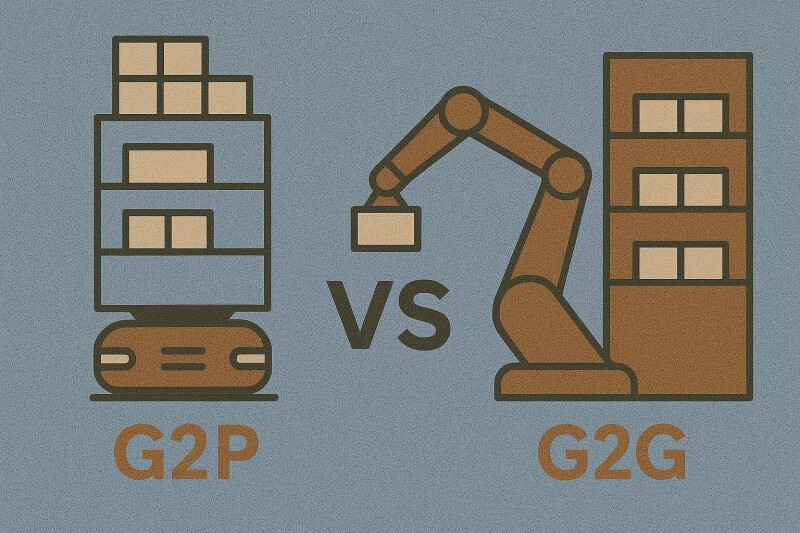
G2P vs G2G: Choosing Your Robotic Picking Strategy
- October 29, 2025
G2P vs G2G: Choosing Your Robotic Picking Strategy Two main paradigms dominate warehouse automation: Goods-to-Person (G2P) and Goods-to-Goods (G2...
Read More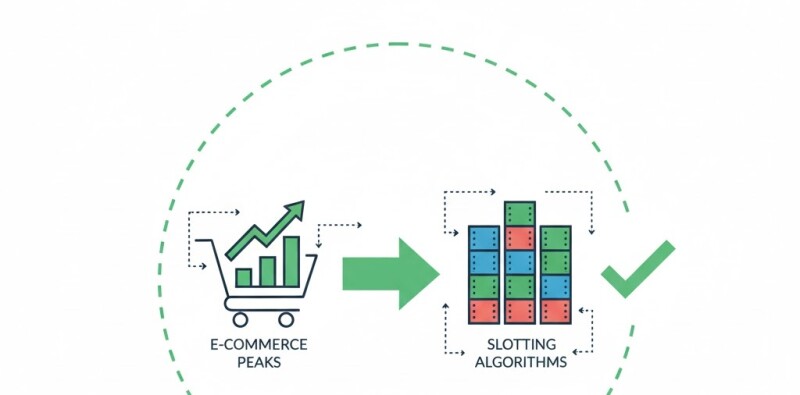
Slotting Algorithms for E-Commerce Peaks
- October 29, 2025
Slotting Algorithms for E-Commerce Peaks During holiday or campaign peaks, warehouse efficiency often collapses. AI-based slotting algorithms sol...
Read More
Designing a Micro-Fulfillment Center in 90 Days
- October 29, 2025
Designing a Micro-Fulfillment Center in 90 Days Retailers and logistics providers are racing to deploy micro-fulfillment centers (MFCs) near urba...
Read More
Flexible Packaging Lines: Robotics for Short Runs
- October 29, 2025
Flexible Packaging Lines: Robotics for Short Runs The food and beverage industry is moving toward mass customization — smaller batches, fas...
Read More
Digital HACCP: Turning Compliance into a Dashboard
- October 29, 2025
Digital HACCP: Turning Compliance into a Dashboard Hazard Analysis and Critical Control Points (HACCP) are the backbone of food safety. But paper...
Read More
Clean-in-Place Automation: Saving Water and Energy
- October 29, 2025
Clean-in-Place Automation: Saving Water and Energy Clean-in-Place (CIP) systems are essential for hygiene and product safety, but they also consu...
Read More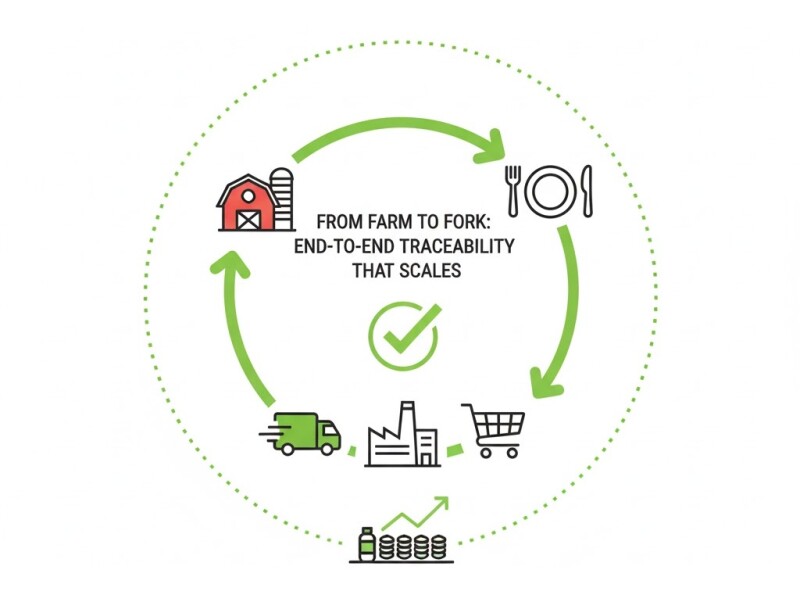
From Farm to Fork: End-to-End Traceability That Scales
- October 29, 2025
From Farm to Fork: End-to-End Traceability That Scales Traceability is the foundation of modern food safety. From raw materials to packaged goods...
Read More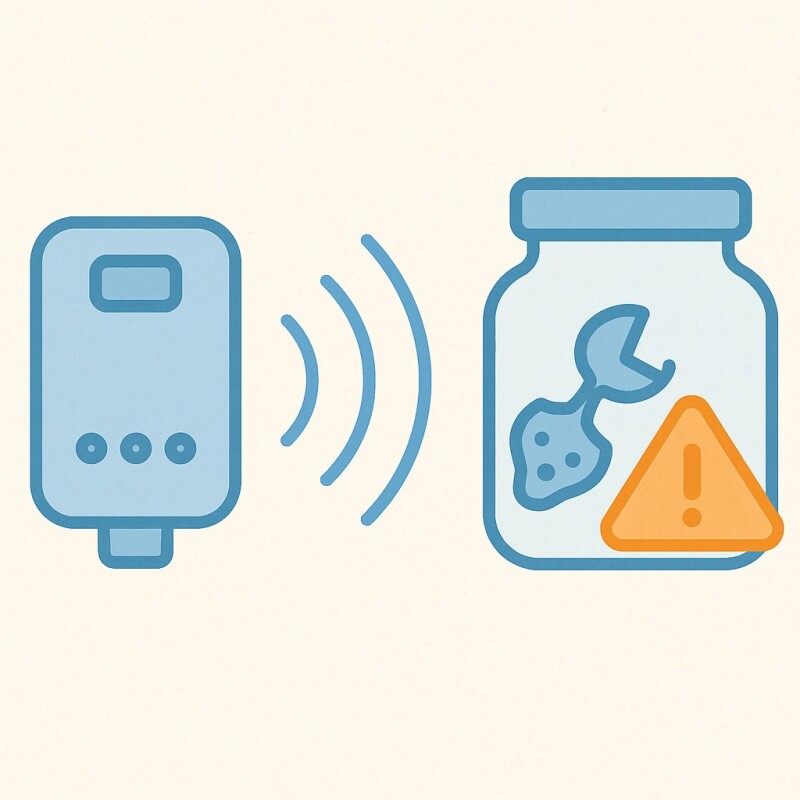
Allergen Control with Sensors and Software
- October 29, 2025
Allergen Control with Sensors and Software Food manufacturers face increasing regulatory pressure to control allergens with precision. Cross-cont...
Read More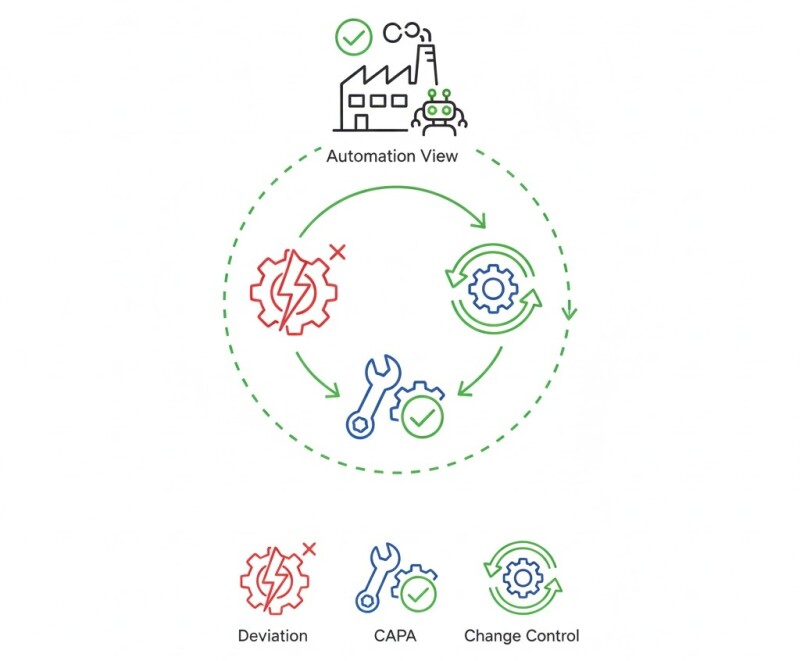
Deviation, CAPA, and Change Control: An Automation View
- October 29, 2025
Deviation, CAPA, and Change Control: An Automation View Every GMP-compliant plant depends on robust systems for Deviation Management, Corrective...
Read More
GAMP 5 and AI: Validating Models in Regulated Environments
- October 29, 2025
GAMP 5 and AI: Validating Models in Regulated Environments As artificial intelligence enters GMP manufacturing, automation engineers face a new q...
Read More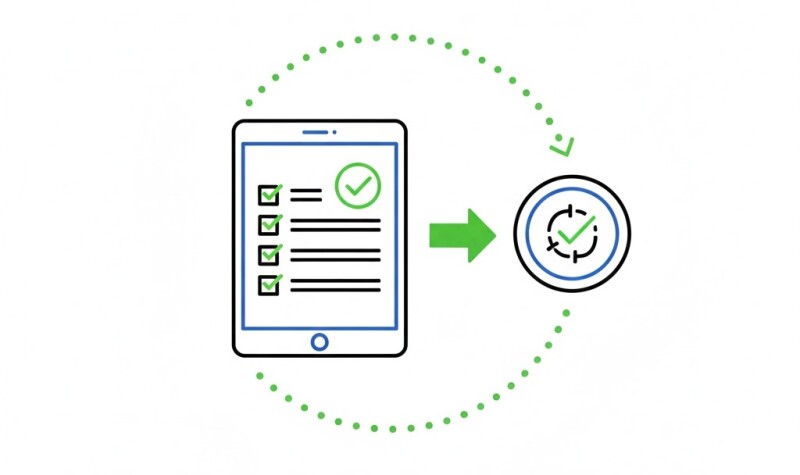
Batch Records That Pass: eBR/eDHR Design Patterns
- October 29, 2025
Batch Records That Pass: eBR/eDHR Design Patterns Electronic Batch Records (eBR) and Device History Records (eDHR) are central to GMP compliance....
Read More
CSV and 21 CFR Part 11 for Automation Engineers
- October 29, 2025
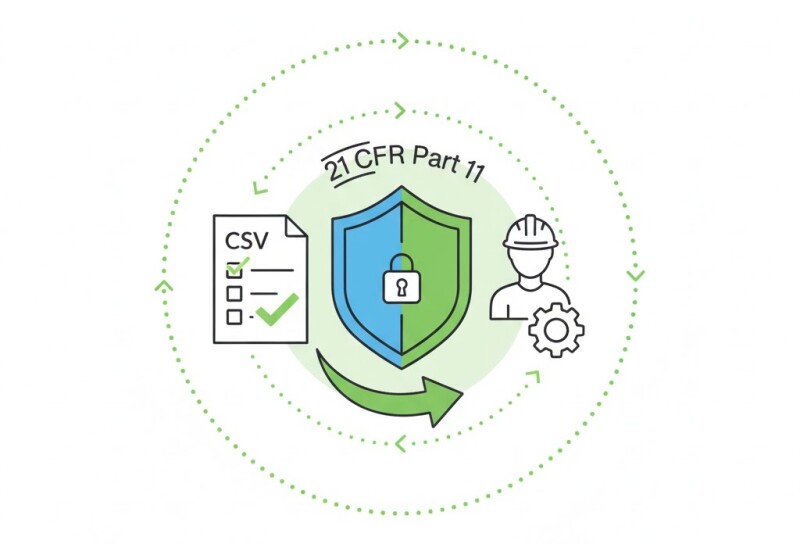
CSV and 21 CFR Part 11 for Automation Engineers Computer System Validation (CSV) is at the core of pharmaceutical and biotech automation. For eng...
Read More
Audit-Ready eSignatures and eRecords in the Plant
- October 29, 2025
Audit-Ready eSignatures and eRecords in the Plant Electronic signatures and records are essential under 21 CFR Part 11 — but implementing t...
Read More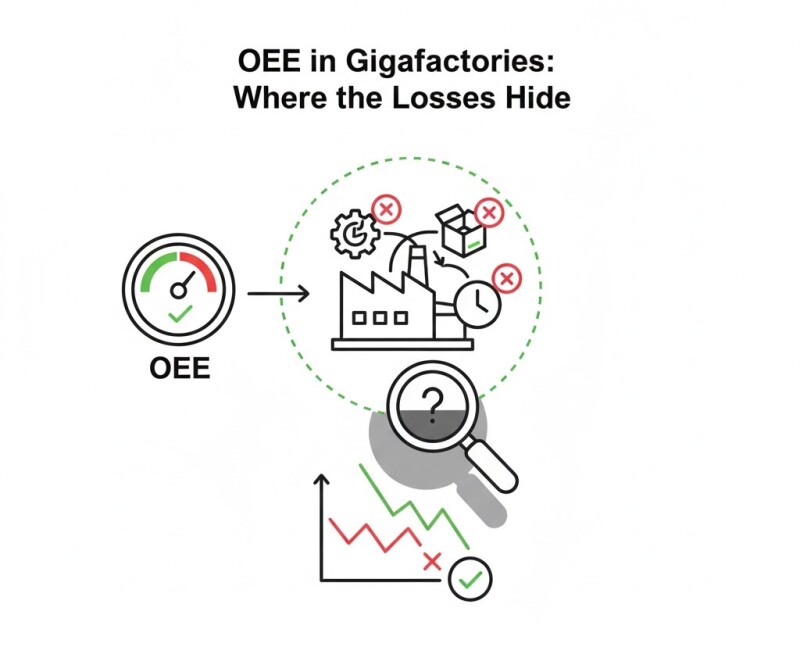
OEE in Gigafactories: Where the Losses Hide
- October 29, 2025
OEE in Gigafactories: Where the Losses Hide As gigafactories ramp up, Overall Equipment Effectiveness (OEE) becomes the ultimate efficiency bench...
Read More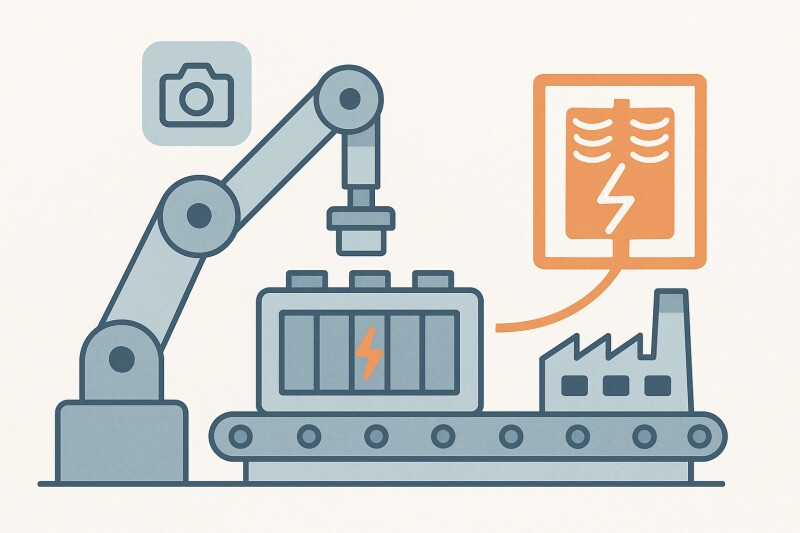
Quality Control for EV Batteries: From Vision to X-Ray
- October 29, 2025
Quality Control for EV Batteries: From Vision to X-Ray Quality control in battery manufacturing has evolved from simple dimensional checks to mul...
Read More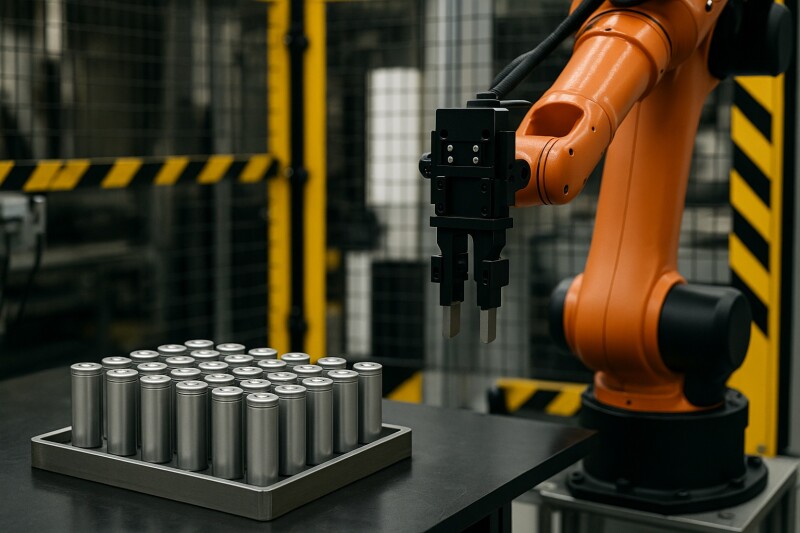
Robots in Battery Assembly: Safety and Part Handling
- October 29, 2025
Robots in Battery Assembly: Safety and Part Handling Battery assembly combines high weight, electrical energy, and chemical sensitivity — a...
Read More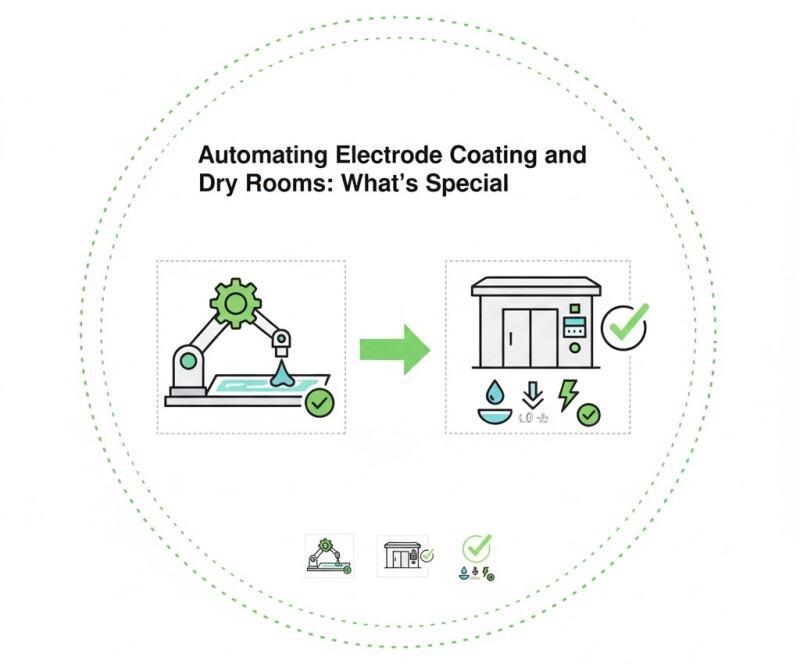
Automating Electrode Coating and Dry Rooms: What’s Special
- October 29, 2025
Automating Electrode Coating and Dry Rooms: What’s Special Battery electrode manufacturing is one of the most technically demanding automat...
Read More
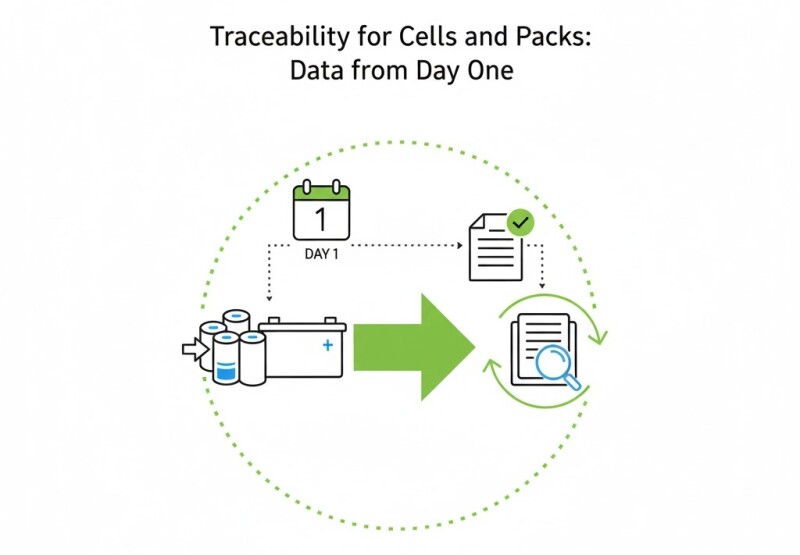
Traceability for Cells and Packs: Data from Day One
- October 29, 2025
Traceability for Cells and Packs: Data from Day One Battery manufacturers must meet growing regulatory and customer demands for full traceability...
Read More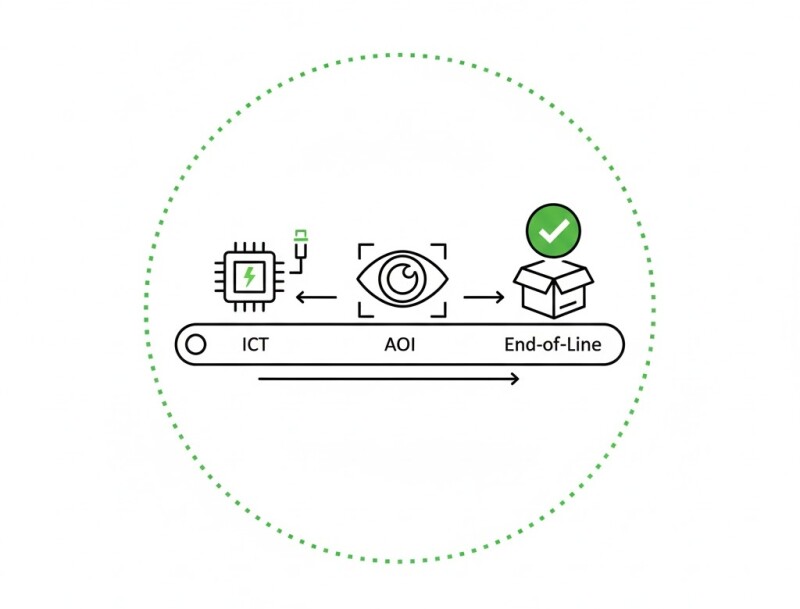
In-Line Test Automation: ICT, AOI, and End-of-Line
- October 28, 2025
In-Line Test Automation: ICT, AOI, and End-of-Line Testing is the final gate before shipment — and the most data-rich step in electronics m...
Read More