




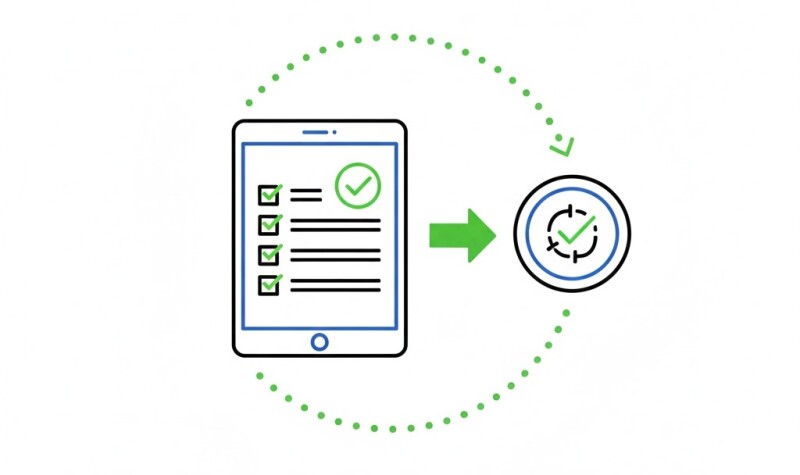
Batch Records That Pass: eBR/eDHR Design Patterns
Electronic Batch Records (eBR) and Device History Records (eDHR) are central to GMP compliance. Poorly designed batch logic or unclear operator prompts can derail audits and delay release. Engineers must design for clarity, validation, and traceability.
Key Design Patterns
- Single source of truth: Store production data directly from PLCs or MES — no manual re-entry.
- Event-based logging: Capture process events automatically with timestamps and operator ID.
- Rule-based exceptions: Automate deviation triggers based on parameter limits.
Human Factors
Operator interfaces must minimize free-text entries. Use dropdowns or coded responses to maintain data consistency. Always log overrides with digital signatures.
Audit Success Factors
- Clear link between batch records, recipe versions, and calibration data.
- Automated data integrity checks for completeness before record closure.
- Versioned templates for consistent layout across products.
Case Example: Bioprocessing Facility
By switching from hybrid paper/electronic batch records to fully digital eBR, a biotech site reduced release cycle time from 7 days to 36 hours while maintaining full 21 CFR Part 11 compliance.
Related Articles
- CSV and 21 CFR Part 11 for Automation Engineers
- Audit-Ready eSignatures and eRecords in the Plant
- Deviation, CAPA, and Change Control: An Automation View
Conclusion
Good eBR/eDHR design is proactive compliance. With clean structure and automated traceability, you can pass audits — and release product — faster and safer.














Interested? Submit your enquiry using the form below:
Only available for registered users. Sign In to your account or register here.