


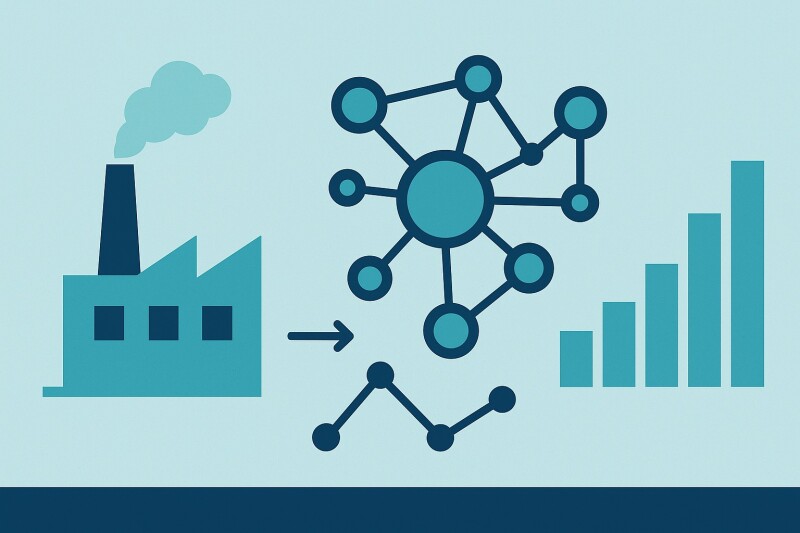
Designing a Plant-Wide Data Model That Scales
A Unified Namespace (UNS) only delivers value if its underlying data model is consistent, scalable, and meaningful across the enterprise. The goal: a single, coherent view of all production assets — without forcing every site to fit a rigid template.
Why a Data Model Comes First
Most UNS projects fail because they start with tools instead of design. Before selecting brokers or data buses, define how your assets, systems, and events relate to each other.
Core Design Principles
- Hierarchical structure: Enterprise → Site → Area → Line → Asset → Variable.
- Human readability: Tag paths should be self-explanatory (no cryptic codes).
- Reusability: Standardize objects for reuse across lines and plants.
- Extensibility: Design for future systems — not just today’s tags.
Governance and Versioning
Use Git or model management tools to version-control your data model. Treat it like code — every change should be reviewed, documented, and reversible.
Case Example: Automotive Plant Network
A global OEM defined a unified ISA-95-based model before deploying MQTT brokers. When new equipment came online, no remapping was needed — topics auto-aligned to the model, saving hundreds of hours of integration work.
Related Articles
- Naming Conventions for UNS: Keep It Human, Keep It Hierarchical
- Data Ownership in OT: Who Owns What, and Why It Matters
- Bridging OT and IT: Governance for Shared Data
Conclusion
Start with the model, not the middleware. A scalable, human-readable plant data model ensures your UNS grows smoothly — one namespace, multiple sites, infinite possibilities.









Interested? Submit your enquiry using the form below:
Only available for registered users. Sign In to your account or register here.