





Data Retention in Regulated Industries: How to Stay Compliant
Pharma, energy, and food manufacturers face strict requirements for how long production data must be stored — and how it can be retrieved. Managing data retention in historians and time-series databases is critical for compliance and cost control.
Retention Requirements by Sector
- Pharma: 21 CFR Part 11, GMP Annex 11 — records must be traceable and secure for 10+ years.
- Energy: ISO 27019 and national regulators — audit data up to 5 years.
- Food & Beverage: Batch genealogy and HACCP logs retained 3–5 years minimum.
Technical Strategies
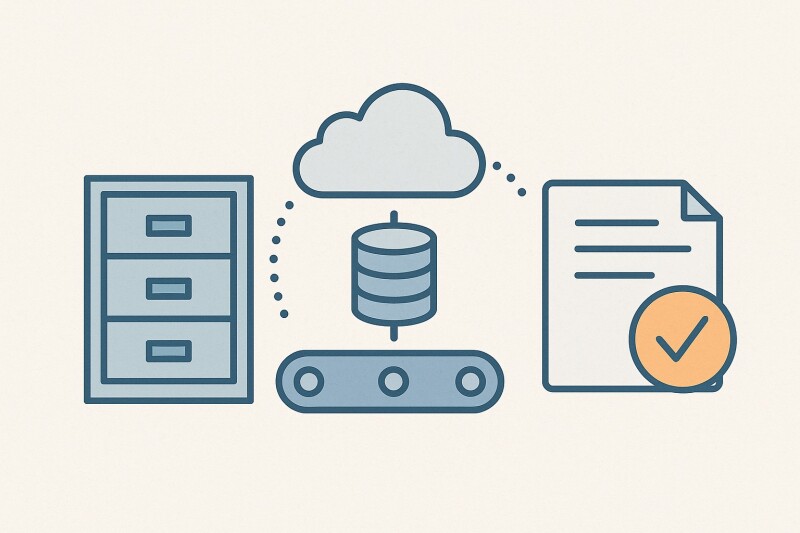
- Tiering: Keep recent data hot, move older data to cold storage or cloud archive.
- Immutable storage: Use write-once, read-many (WORM) formats to prevent tampering.
- Retention tagging: Apply policies by tag, system, or asset criticality.
Regulatory Proof of Integrity
Auditors expect traceable logs, user access control, and checksum validation. Integrate your historian with identity management (AD/LDAP) and maintain digital signatures on exported reports.
Case Example: Pharmaceutical Site
By implementing policy-based retention in its historian and archiving to Azure Blob with checksums, a global pharma firm cut on-prem storage by 70% while remaining fully 21 CFR 11 compliant.
Related Articles
- Modernizing the Historian: Compression, Context, and Contextualization
- Choosing a Time-Series DB for OT: Requirements That Matter
- Query Patterns for Fast Root-Cause Analysis
Conclusion
Retention isn’t just about storage — it’s about compliance, trust, and traceability. Smart tiering, immutable archives, and automated policies let plants meet regulations without drowning in data.
















Interested? Submit your enquiry using the form below:
Only available for registered users. Sign In to your account or register here.