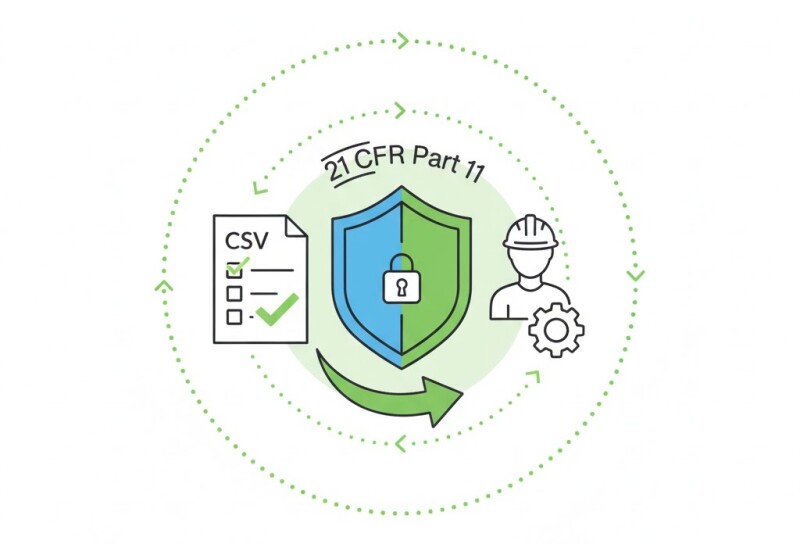
CSV and 21 CFR Part 11 for Automation Engineers
- October 29, 2025
CSV and 21 CFR Part 11 for Automation Engineers Computer System Validation (CSV) is at the core of pharmaceutical and biotech automation. For eng...
Read More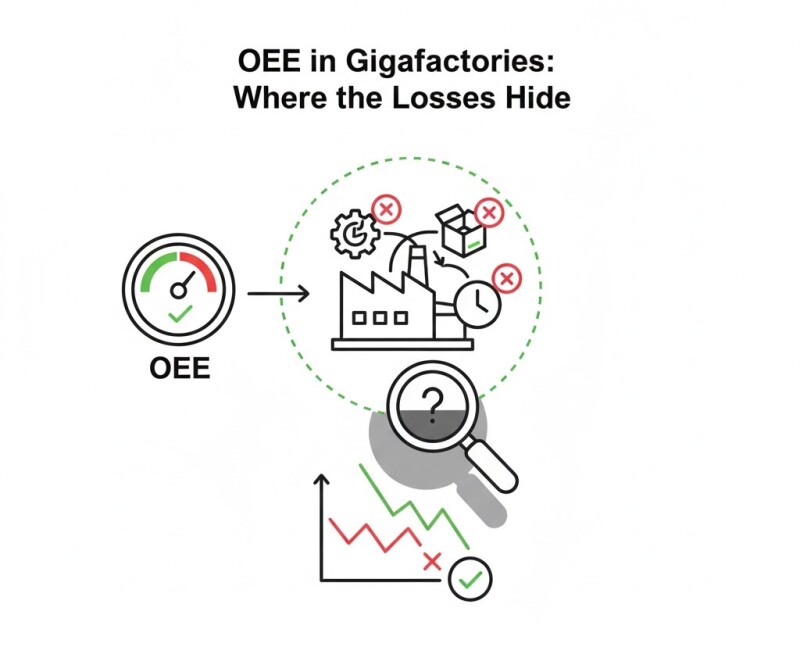
OEE in Gigafactories: Where the Losses Hide
- October 29, 2025
OEE in Gigafactories: Where the Losses Hide As gigafactories ramp up, Overall Equipment Effectiveness (OEE) becomes the ultimate efficiency bench...
Read More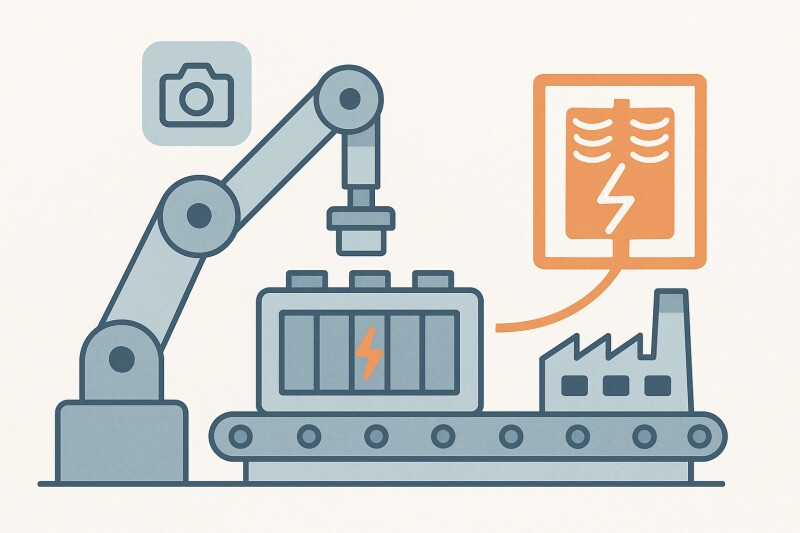
Quality Control for EV Batteries: From Vision to X-Ray
- October 29, 2025
Quality Control for EV Batteries: From Vision to X-Ray Quality control in battery manufacturing has evolved from simple dimensional checks to mul...
Read More
Robots in Battery Assembly: Safety and Part Handling
- October 29, 2025
Robots in Battery Assembly: Safety and Part Handling Battery assembly combines high weight, electrical energy, and chemical sensitivity — a...
Read More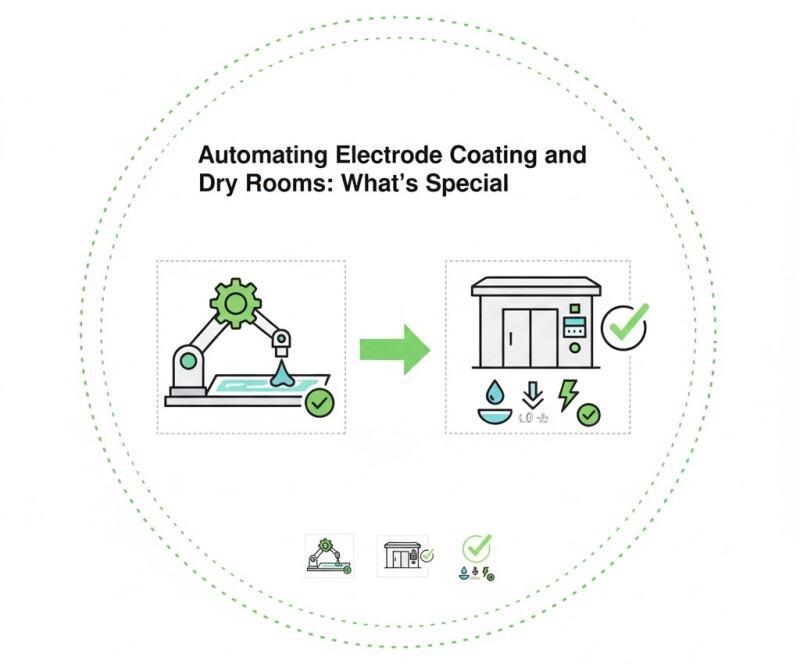
Automating Electrode Coating and Dry Rooms: What’s Special
- October 29, 2025
Automating Electrode Coating and Dry Rooms: What’s Special Battery electrode manufacturing is one of the most technically demanding automat...
Read More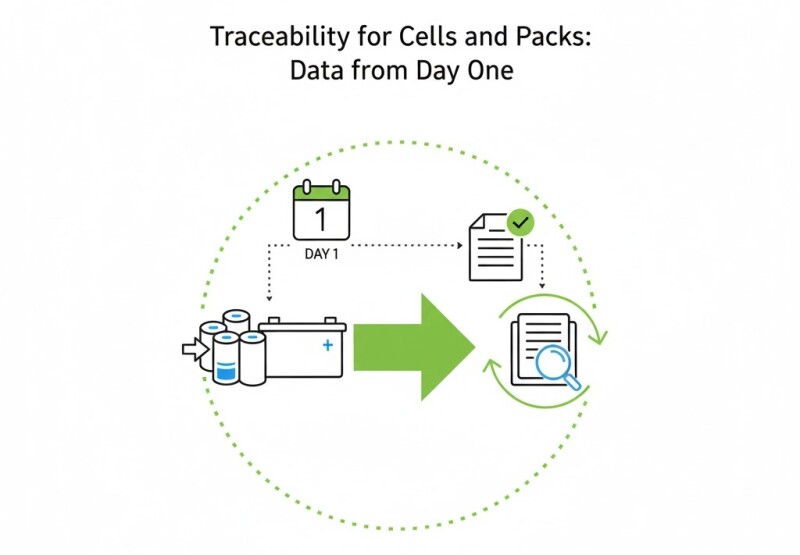
Traceability for Cells and Packs: Data from Day One
- October 29, 2025
Traceability for Cells and Packs: Data from Day One Battery manufacturers must meet growing regulatory and customer demands for full traceability...
Read More
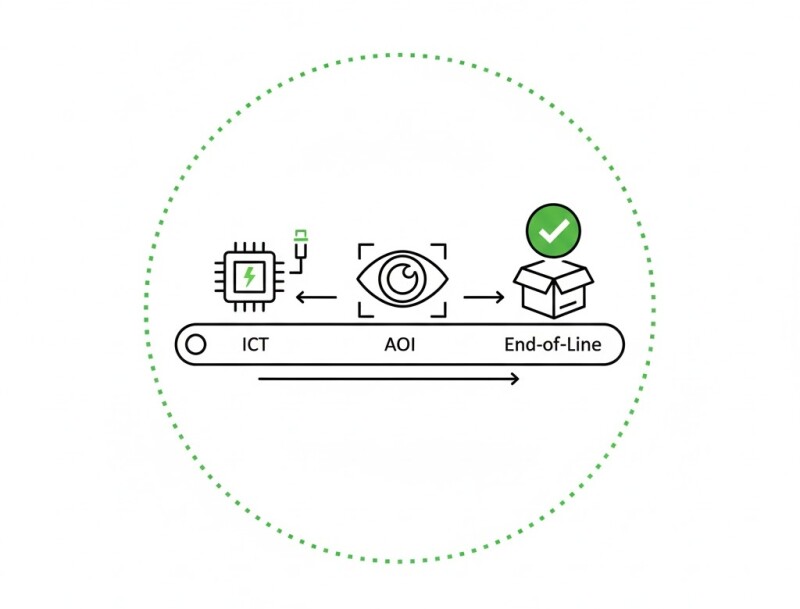
In-Line Test Automation: ICT, AOI, and End-of-Line
- October 28, 2025
In-Line Test Automation: ICT, AOI, and End-of-Line Testing is the final gate before shipment — and the most data-rich step in electronics m...
Read More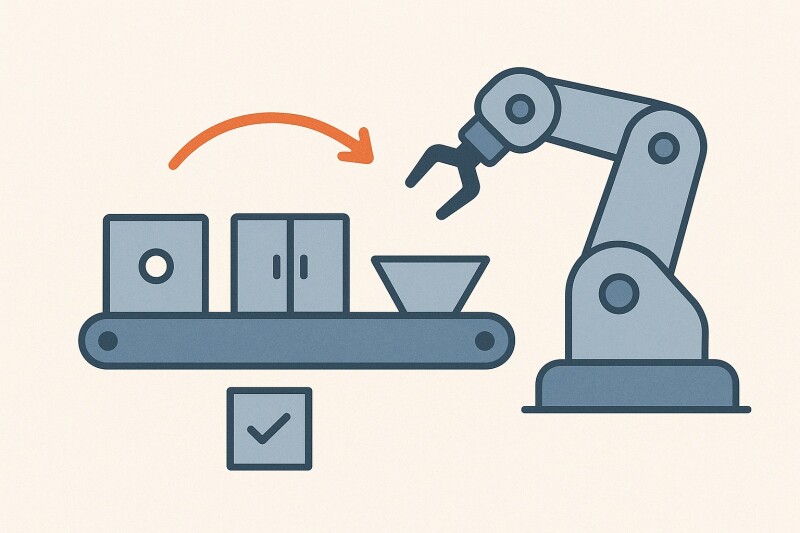
How EMS Providers Automate Without Killing Flexibility
- October 28, 2025
How EMS Providers Automate Without Killing Flexibility Electronic Manufacturing Services (EMS) companies thrive on high product variability. But...
Read More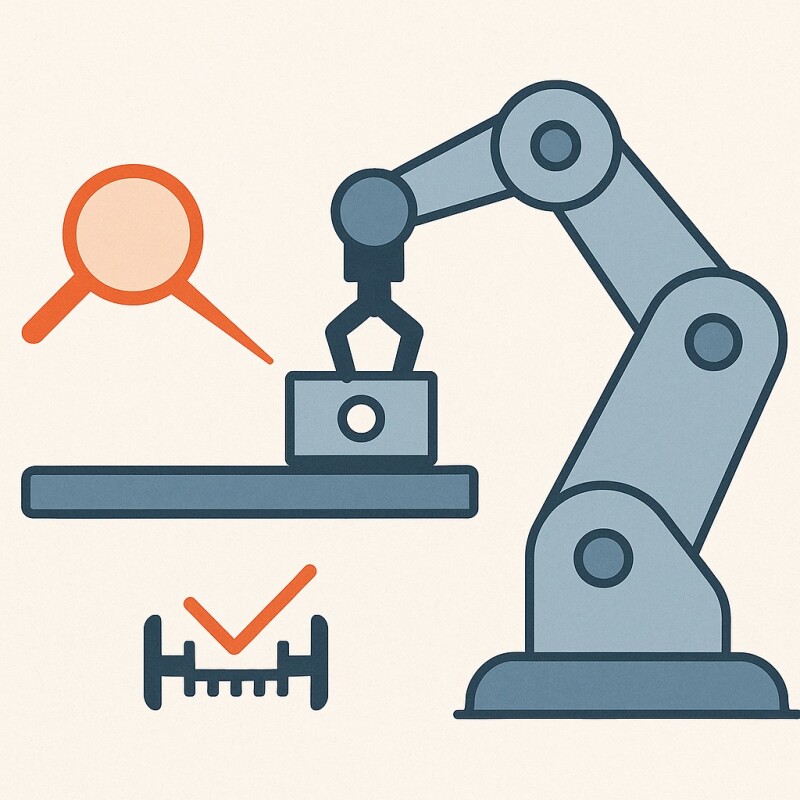
Robots for Tiny Tolerances: Vision and Force Strategies
- October 28, 2025
Robots for Tiny Tolerances: Vision and Force Strategies Electronic assemblies often demand sub-100-micron accuracy. Achieving this repeatably req...
Read More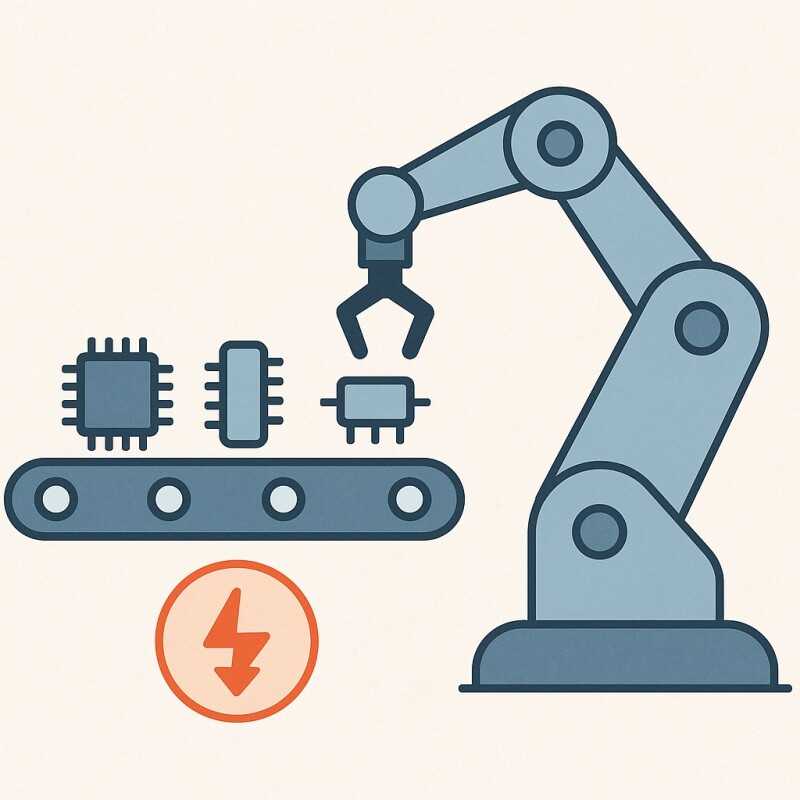
ESD-Safe Automation: What Integrators Forget
- October 28, 2025
ESD-Safe Automation: What Integrators Forget Electrostatic discharge (ESD) can silently destroy microelectronic components. As robots take over h...
Read More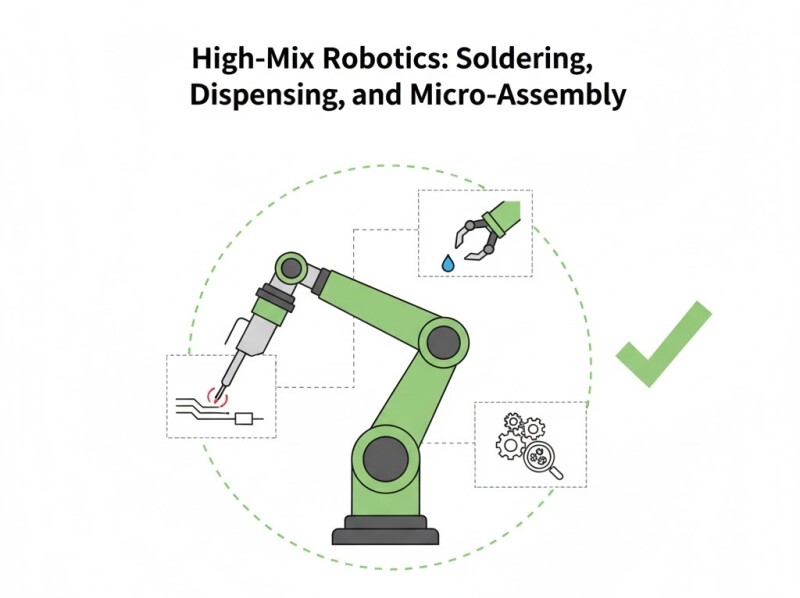
High-Mix Robotics: Soldering, Dispensing, and Micro-Assembly
- October 28, 2025
High-Mix Robotics: Soldering, Dispensing, and Micro-Assembly In electronics manufacturing, high-mix, low-volume production has always challenged...
Read More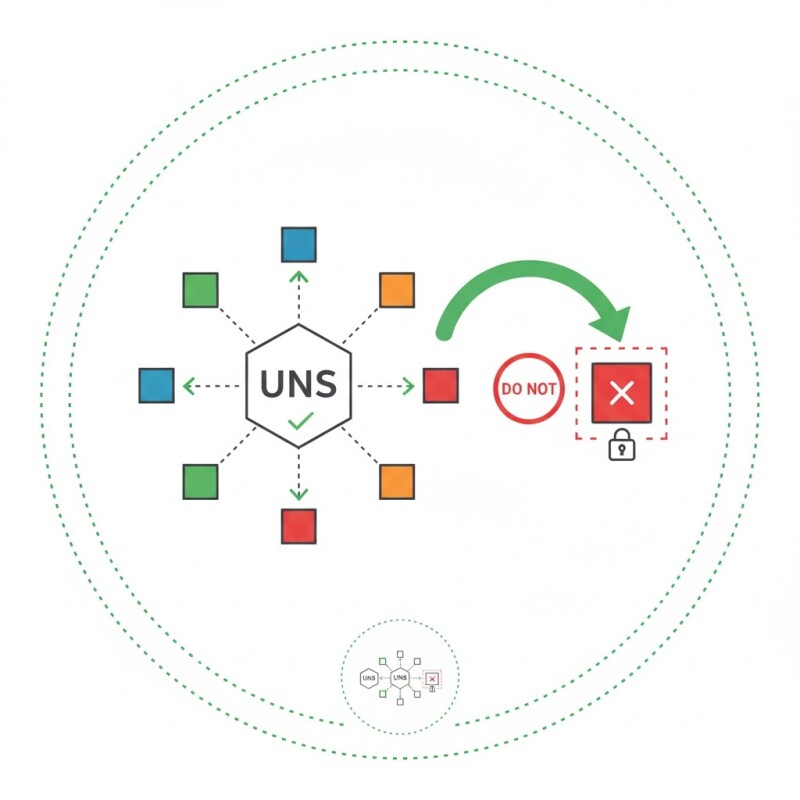
How to Avoid Creating a New Data Silo with Your UNS
- October 28, 2025
How to Avoid Creating a New Data Silo with Your UNS The irony of many Unified Namespace (UNS) projects is that they end up creating another silo...
Read More
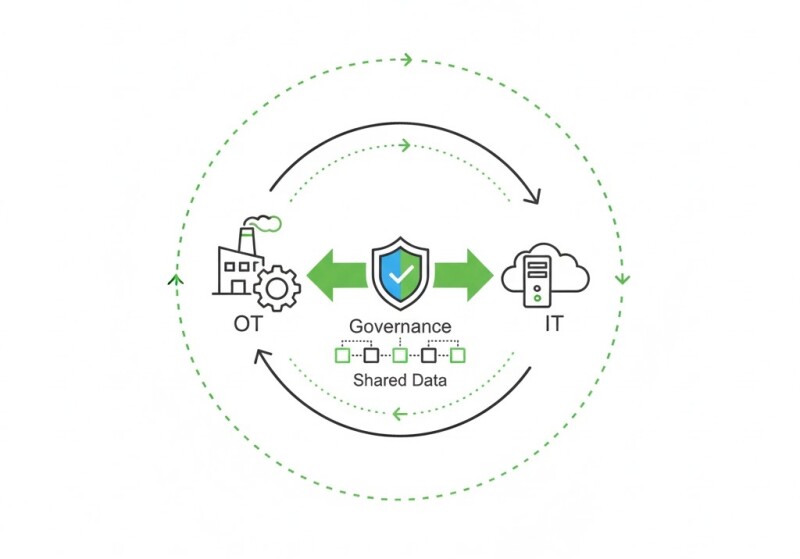
Bridging OT and IT: Governance for Shared Data
- October 28, 2025
Bridging OT and IT: Governance for Shared Data Operational Technology (OT) and Information Technology (IT) have historically worked in silos &mda...
Read More
Naming Conventions for UNS: Keep It Human, Keep It Hierarchical
- October 28, 2025
Naming Conventions for UNS: Keep It Human, Keep It Hierarchical A Unified Namespace is only as usable as its naming scheme. Engineers, analysts,...
Read More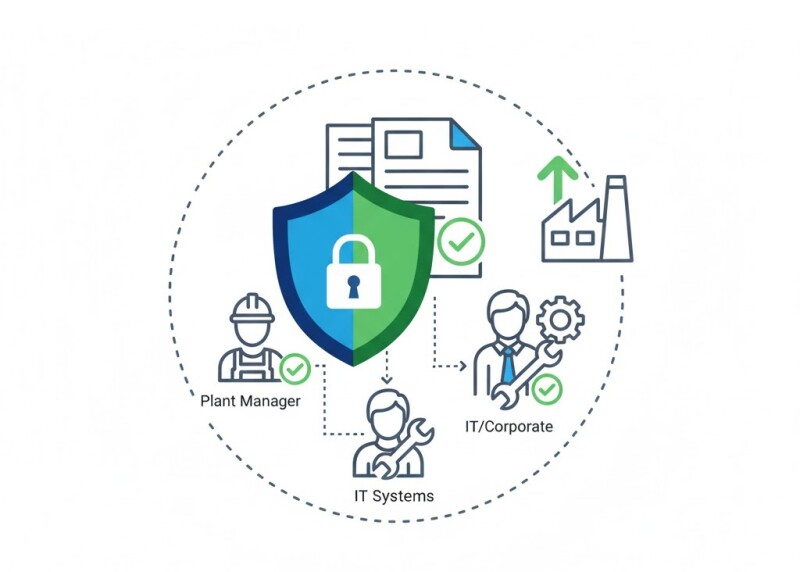
Data Ownership in OT: Who Owns What, and Why It Matters
- October 28, 2025
Data Ownership in OT: Who Owns What, and Why It Matters As plants adopt Unified Namespace architectures, data ownership becomes a governance chal...
Read More
Designing a Plant-Wide Data Model That Scales
- October 28, 2025
Designing a Plant-Wide Data Model That Scales A Unified Namespace (UNS) only delivers value if its underlying data model is consistent, scalable,...
Read More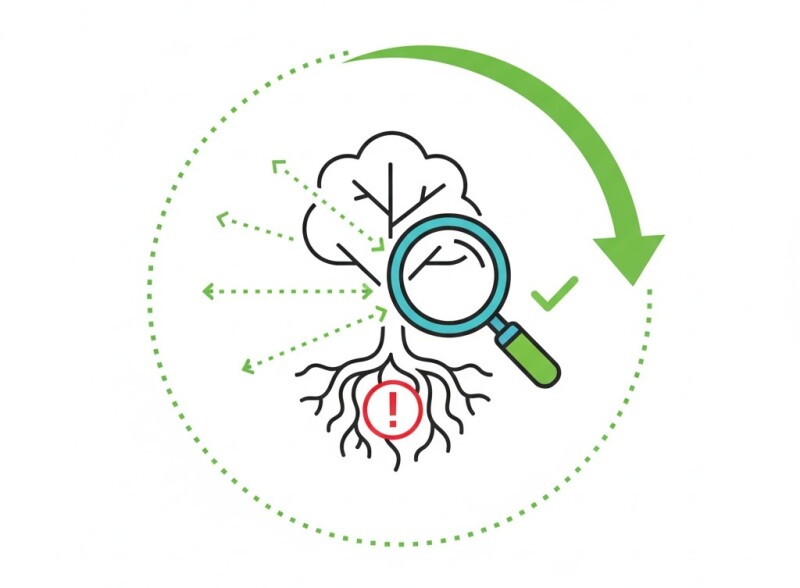
Query Patterns for Fast Root-Cause Analysis
- October 28, 2025
Query Patterns for Fast Root-Cause Analysis When a production issue strikes, time is everything. Engineers need historian queries that return res...
Read More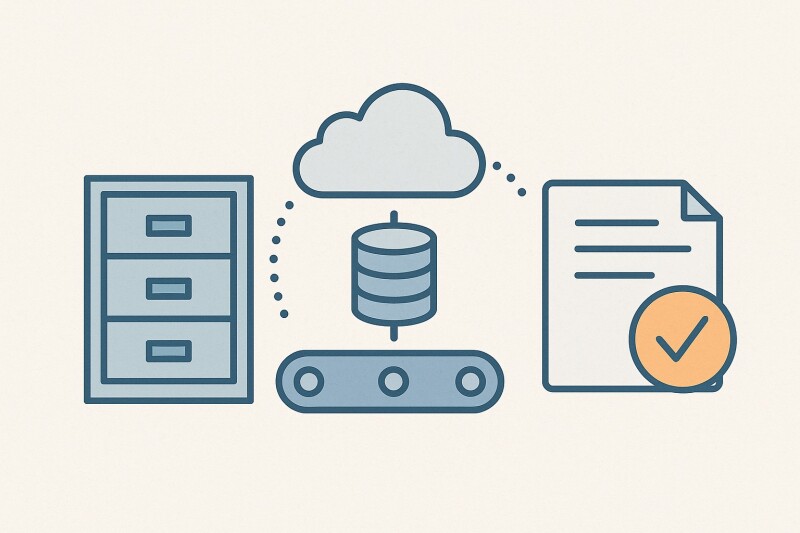
Data Retention in Regulated Industries: How to Stay Compliant
- October 28, 2025
Data Retention in Regulated Industries: How to Stay Compliant Pharma, energy, and food manufacturers face strict requirements for how long produc...
Read More
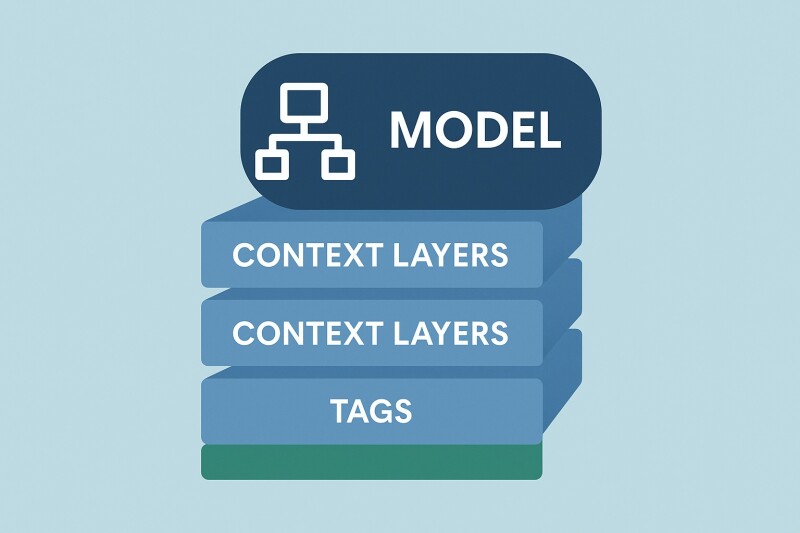
From Tags to Models: Context Layers That Unlock Value
- October 28, 2025
From Tags to Models: Context Layers That Unlock Value Industrial data becomes exponentially more valuable when structured. Moving from raw tags t...
Read More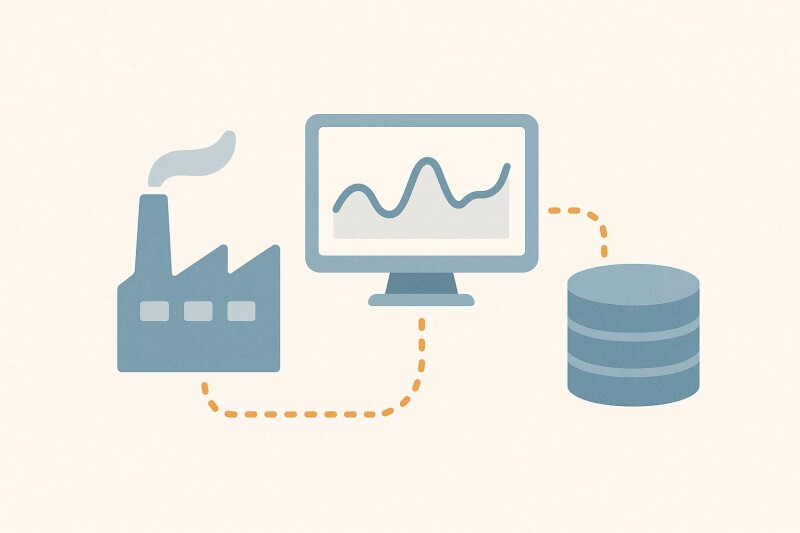
Choosing a Time-Series DB for OT: Requirements That Matter
- October 28, 2025
Choosing a Time-Series DB for OT: Requirements That Matter Not all time-series databases are created equal. In OT environments, performance and r...
Read More