




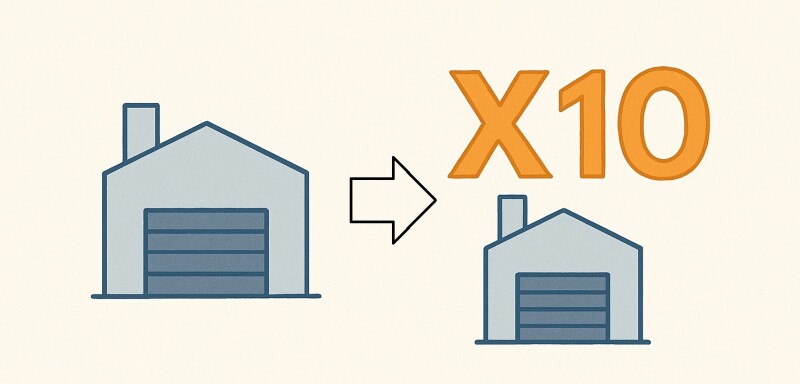
Scaling from 1 to 10 Sites: Lessons Learned
Launching one micro-fulfillment center is hard; scaling ten is an entirely different challenge. Consistency, interoperability, and centralized control become the biggest hurdles — not the robots themselves.
Lesson 1: Standardize Before You Scale
Use common software stacks, APIs, and safety policies across all sites. Avoid customizing each installation — modularity accelerates commissioning and support.
Lesson 2: Digital Twins for Deployment
Simulate each new site virtually. Use historical data from earlier installations to model throughput, congestion, and fleet sizing before construction begins.
Lesson 3: Unified Fleet Management
Central control systems allow AMRs and robotic stations across multiple facilities to share telemetry and updates. Cloud-native orchestration prevents version drift.
Case Example: Retail Fulfillment Network
A European retailer scaled from 2 to 10 automated MFCs in 14 months. A shared orchestration layer reduced IT integration time by 65% and enabled load balancing between sites.
Related Articles
- Designing a Micro-Fulfillment Center in 90 Days
- G2P vs G2G: Choosing Your Robotic Picking Strategy
- Slotting Algorithms for E-Commerce Peaks
Conclusion
Scaling fulfillment automation isn’t just replication — it’s governance. Standardized architecture, virtual validation, and centralized visibility turn chaos into control.














Interested? Submit your enquiry using the form below:
Only available for registered users. Sign In to your account or register here.