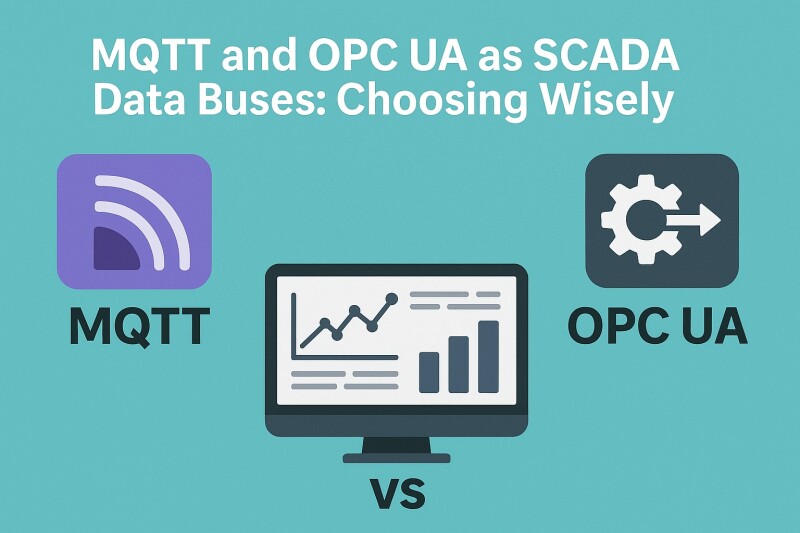
MQTT and OPC UA as SCADA Data Buses: Choosing Wisely
- October 28, 2025
MQTT and OPC UA as SCADA Data Buses: Choosing Wisely Both MQTT and OPC UA are critical to modern SCADA architectures — but they solve diffe...
Read More
Historian to Data Lake: A Safe Migration Path
- October 28, 2025
Historian to Data Lake: A Safe Migration Path Many plants have 10–20 years of process data stored in on-prem historians. As analytics and A...
Read More
Alarms That Matter: Rationalization for Fewer, Better Alerts
- October 28, 2025
Alarms That Matter: Rationalization for Fewer, Better Alerts Operators can’t respond effectively when screens flash hundreds of alarms per...
Read More
Cloud-Connected SCADA: Security, Latency, and Cost
- October 28, 2025
Cloud-Connected SCADA: Security, Latency, and Cost As factories and utilities modernize, the question is no longer if SCADA should connect to the...
Read More
When to Graduate from No-Code to a Real MES
- October 28, 2025
When to Graduate from No-Code to a Real MES No-code platforms are excellent for quick wins and prototypes. But as data volume, traceability, and...
Read More
Citizen Developers in OT: Guardrails to Keep You Safe
- October 28, 2025
Citizen Developers in OT: Guardrails to Keep You Safe The rise of citizen developers — non-programmers who build apps or dashboards —...
Read More

From Excel Hell to MES Lite: Low-Code Patterns That Work
- October 28, 2025
From Excel Hell to MES Lite: Low-Code Patterns That Work Many plants still run on Excel — for downtime logs, quality checks, and production...
Read More
Building Dashboards That Operators Trust in One Afternoon
- October 28, 2025
Building Dashboards That Operators Trust in One Afternoon Operators ignore dashboards that don’t help them run production better. With mode...
Read More
No-Code in the Control Room: What’s Real, What’s Hype
- October 28, 2025
No-Code in the Control Room: What’s Real, What’s Hype “No-code” and “low-code” platforms promise to let anyon...
Read More
How SMEs Compete with Automation: 7 Mini-Case Studies
- October 28, 2025
How SMEs Compete with Automation: 7 Mini-Case Studies Automation isn’t just for global manufacturers anymore. Across Europe, Asia, and the...
Read More
Open-Source Tools for Budget Automation Projects
- October 28, 2025
Open-Source Tools for Budget Automation Projects SMEs often hesitate to automate because of software licensing costs. However, open-source tools...
Read More
Kitting, Sorting, and Packaging: Three Low-Cost Wins
- October 28, 2025
Kitting, Sorting, and Packaging: Three Low-Cost Wins Some automation projects pay back faster than others. For SMEs, three categories consistentl...
Read More

DIY Robotics Cells: Safe, Simple, and Repeatable
- October 28, 2025
DIY Robotics Cells: Safe, Simple, and Repeatable Do-it-yourself robotics has evolved from hobby projects to legitimate industrial solutions. SMEs...
Read More
Low-Cost Automation in 2025: Where to Start with < $10k
- October 28, 2025
Low-Cost Automation in 2025: Where to Start with < $10k Automation is no longer reserved for big manufacturers. In 2025, the combination of af...
Read More
Sustainability Dashboards That Engineers Actually Use
- October 28, 2025
Sustainability Dashboards That Engineers Actually Use Most energy dashboards look impressive — but rarely influence real decisions. Enginee...
Read More
Decarbonizing Heat Processes with Controls and Data
- October 28, 2025
Decarbonizing Heat Processes with Controls and Data Heating and drying processes are among the largest energy consumers in manufacturing —...
Read More
Smart Sensors for Compressed Air Leaks: Fast Payback
- October 28, 2025
Smart Sensors for Compressed Air Leaks: Fast Payback Compressed air is one of the most expensive forms of energy in manufacturing — often a...
Read More
Cutting Energy Use with Automation: The 90-Day Plan
- October 28, 2025
Cutting Energy Use with Automation: The 90-Day Plan Energy costs have become the second-largest variable expense in many factories. The good news...
Read More

From OEE to OGE: Tracking the Energy Side of Efficiency
- October 28, 2025
From OEE to OGE: Tracking the Energy Side of Efficiency Every manufacturer tracks OEE (Overall Equipment Effectiveness). Yet few measure how effi...
Read More
Functional Safety for Robotics: PL, SIL, and Safe Motion
- October 28, 2025
Functional Safety for Robotics: PL, SIL, and Safe Motion Modern robots depend on electronics for safe operation. Functional safety ensures that h...
Read More