





[Article]: CNC Waterjet Machines: Precision Cutting Across Industries
CNC (Computer Numerical Control) waterjet machines represent a significant advancement in the realm of material-cutting technologies. Utilized across various sectors, these machines provide a versatile solution for cutting materials with high precision. This introduction will explore what CNC waterjet machines are and how they have become integral to industries such as aerospace, automotive, and manufacturing.
What is a CNC Waterjet Machine?
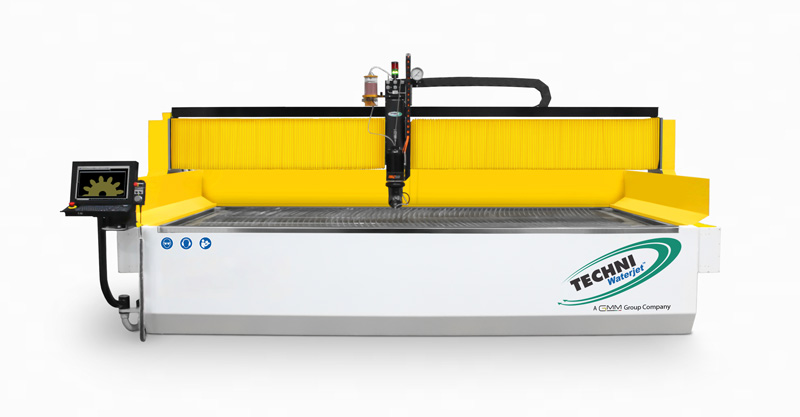
A CNC waterjet machine is a tool capable of slicing into any material with high-pressure streams of water, or a mixture of water and abrasive substances. This technology harnesses the power of water accelerated to high speeds to achieve precise cuts. The absence of heat in this process prevents the alteration or warping of materials, making it ideal for intricate and sensitive designs.
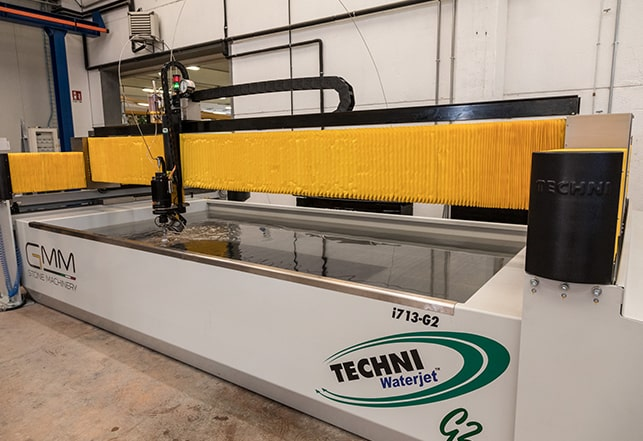
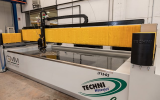
CNC waterjet machines from Techni Waterjet demonstrate the crucial importance of technical skill and deep experience in the waterjet cutting industry. They are recognized for providing innovative solutions. Known for their consistent delivery of high-quality machines, Techni Waterjet has set a standard in the field.
How Does a CNC Waterjet Machine Work?
The Mechanics of Waterjet Cutting:
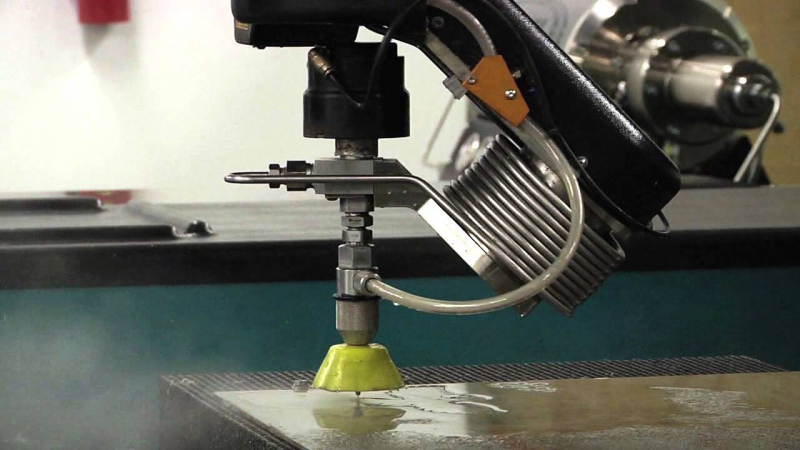
Waterjet cutting involves generating a water stream that travels at speeds as high as Mach 3. This stream is then focused through a precision nozzle, which directs it onto a material to cut it with exactitude. The process can be adjusted to cut a variety of materials by modifying the water pressure, speed, and abrasive mix.
Key Components of a CNC Waterjet Machine:
Understanding the fundamental components of a CNC waterjet machine helps in appreciating its functionality:
-
High-Pressure Pump: Generates the water pressure required for cutting.
-
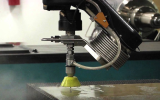
Cutting Head: Focuses the water stream at the material.
-
Abrasive Feeder: Supplies abrasive particles for mixing with water.
-
Control System: Manages the movement and operation based on digital designs.
-
Catch Tank: Collects the water and debris post-cutting.
What Materials Can Be Cut with a CNC Waterjet?
Compatibility with Different Materials:
CNC waterjet machines are known for their material versatility, capable of cutting:
-
Metals: Stainless steel, aluminum (clean cuts without thermal distortion)
-
Plastics: Acrylics, composites (smooth edges, no fumes)
-
Glass: Mirrors, stained glass (prevents cracking and breakage)
Advantages of Using CNC Waterjet Technology:
Utilizing CNC waterjet technology offers numerous benefits:
-
Precision: Achieves intricate cuts and complex shapes with exact boundaries.
-
Versatility: Cuts a wide range of materials and thicknesses without changing tools.
-
No Heat Affected Zone (HAZ): Eliminates thermal stress or warping of materials.
-
Environmentally Friendly: Uses water and natural abrasives, producing minimal hazardous waste.
How to Operate a CNC Waterjet Machine?
Basic Setup and Preparation:
Setting up a CNC waterjet involves several key steps:
-
Configure the machine with the correct specifications for the material.
-
Load the material onto the cutting surface.
-
Program the desired design using the machine’s software.
Operating Procedures:
Key operational steps include:
-
Ensuring the abrasive feed and water levels are adequate.
-
Regularly checking and adjusting the nozzle alignment.
-
Monitoring the cutting process to prevent any disruptions.
Design Considerations for Waterjet Cutting:
Factors Affecting Cut Quality:
Several factors influence the quality of waterjet cutting:
-
Water Pressure: Higher pressures yield cleaner cuts.
-
Abrasive Type: The choice of abrasive affects the finish and speed of the cut.
-
Material Properties: Variations in material density and composition can alter cutting dynamics.
Design Tips to Maximize Efficiency:
To ensure efficient use of a CNC waterjet, consider:
-
Minimizing material wastage by nesting patterns closely.
-
Optimizing cutting paths to reduce cutting time and abrasive use.
Maintenance and Safety Guidelines for CNC Waterjet Machines:
Routine Maintenance Tasks:
Maintaining a CNC waterjet machine involves:
-
Daily checks of water and abrasive levels.
-
Weekly inspections of nozzles and hoses.
-
Monthly reviews of the pump and control system.
Safety Protocols:
Important safety guidelines include:
-
Wearing protective eyewear and hearing protection.
-
Ensuring the cutting area is clear of obstructions and bystanders.
-
Regularly reviewing safety procedures with operators.
Troubleshooting Common Issues with CNC Waterjet Machines:
Diagnosing and Fixing Common Problems:
Common issues and their solutions:
-
Low Water Pressure: Check for leaks or pump issues.
-
Abrasive Flow Issues: Ensure the feeder is clear and functioning properly.
Cost Analysis of CNC Waterjet Cutting:
Initial Investment and Running Costs:
Investing in CNC waterjet technology involves considerations of machine cost, maintenance expenses, and the cost of consumables like abrasives and nozzles.
Cost-Effectiveness Compared to Other Cutting Technologies:
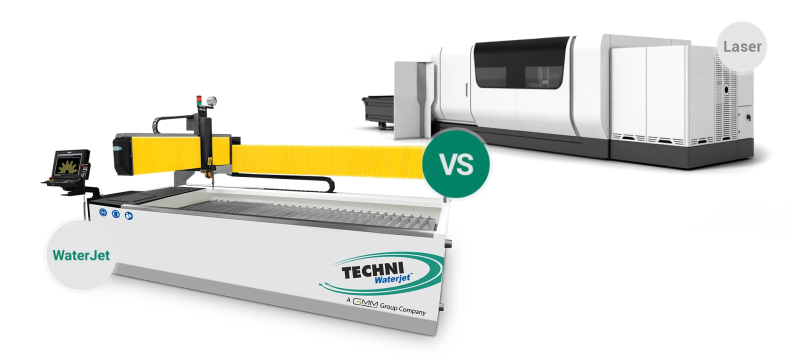
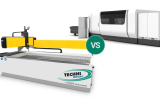
When compared to laser and plasma cutting, waterjet cutting offers advantages in material versatility and cutting accuracy, often at a comparable overall operating cost.
Latest Advances and Future Trends in Waterjet Technology:
Innovations in CNC waterjet technology include 3D cutting capabilities, increased automation, and advancements in software that improve precision and reduce waste.
Case Studies: Successful Applications of CNC Waterjet Cutting:
Industries such as aerospace and automotive have successfully integrated CNC waterjet technology to produce components with strict tolerances and high-quality finishes.
How to Choose the Right CNC Waterjet Machine?
Factors to Consider:
Selecting a CNC waterjet involves assessing:
-
Machine size and capacity to accommodate material dimensions.
-
Power requirements based on the type of materials to be cut.
-
Additional features like multi-head cutting or specialized software.
Recommendations for Different Uses:
For high-volume industrial applications, consider machines with robust pumps and advanced abrasive management systems. For fine artwork or detailed architectural components, smaller machines with precise cutting capabilities may be preferable.
Conclusion:
CNC waterjet machines offer unmatched precision and versatility in cutting technology, providing solutions for a wide array of industries. As technology advances, the capabilities of these machines expand, making them invaluable tools in modern manufacturing and design.












Interested? Submit your enquiry using the form below:
Only available for registered users. Sign In to your account or register here.