






Choosing an IIoT Platform in 2025: Must-Have Features
Industrial IoT platforms have matured from dashboards into mission-critical data backbones. In 2025, choosing the right platform means balancing openness, scalability, and cybersecurity — not just picking a cloud vendor.
Core Capabilities to Look For
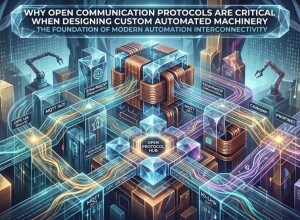
- Open Protocol Support: OPC UA, MQTT Sparkplug B, REST APIs, and Modbus.
- Unified Namespace (UNS): A consistent topic structure for all factory assets.
- Edge Processing: Local compute for filtering, aggregation, and anomaly detection.
- Data Governance: Built-in versioning, user roles, and lineage tracking.
Integration with IT Systems
Modern IIoT platforms must bridge OT and IT seamlessly — exposing plant data via secure APIs and integrating with ERP, MES, and CMMS systems.
Example
A packaging plant migrated from a proprietary historian to an MQTT-based IIoT platform. Deployment time: 8 weeks. Data latency dropped by 65%, and uptime improved via automated alert routing.
Related Articles
- Securely Exposing OT Data: API Gateways and DMZs
- Event-Driven Architectures in OT: MQTT, Kafka, and Pub/Sub
- Edge-to-Cloud Patterns That Keep Costs Down
Conclusion
Choosing an IIoT platform is an architecture decision, not a software one. Openness, scalability, and cybersecurity define long-term success more than any vendor feature list.










Interested? Submit your enquiry using the form below:
Only available for registered users. Sign In to your account or register here.