





Path Planning for Random Bins: Practical Tips
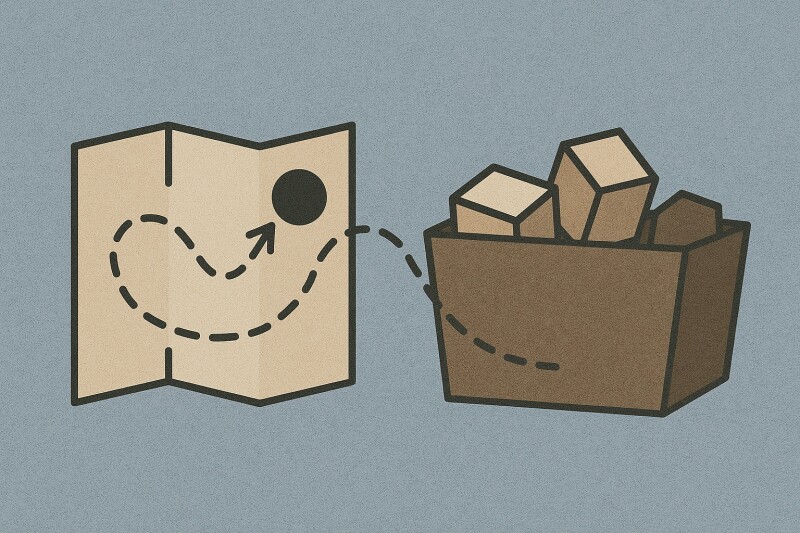
Path planning determines how a robot moves from vision detection to successful grasp. In random bin environments, cluttered geometry and changing part poses make motion planning especially challenging.
Core Planning Challenges
- Dynamic obstacles such as grippers, bin walls, and stacked parts.
- Uncertain part orientation and pose noise from 3D sensors.
- Real-time re-planning when picks fail or parts shift.
Optimization Techniques
- Sampling-based planners: RRT* and PRM for exploring complex motion spaces.
- Precomputed trajectories: Cached motions for known part families.
- Collision envelopes: Simplified bounding boxes accelerate computation.
Case Example: Foundry Bin Picking
Using GPU-accelerated RRT planning, a foundry robot reduced path computation time from 180 ms to 35 ms per pick, maintaining a 5-second total cycle time even with variable bin fill levels.
Related Articles
- 3D Bin Picking That Works: Vision, Motion, and Grippers
- Force-Torque Sensing for Delicate Handling
- Cycle Time vs Accuracy: Tuning Trade-Offs
Conclusion
Good path planning is invisible — until it fails. Combining vision, predictive modeling, and lightweight trajectory generation ensures robots pick smoothly even in chaotic bins.















Interested? Submit your enquiry using the form below:
Only available for registered users. Sign In to your account or register here.