





Open-Source Tools for Budget Automation Projects
SMEs often hesitate to automate because of software licensing costs. However, open-source tools have matured to the point where they can power real production environments — with full transparency and minimal cost.
Popular Open-Source Frameworks for Automation
- Node-RED: Visual flow-based programming for sensors, PLCs, and MQTT devices.
- ROS-Industrial: Robot Operating System extension for industrial hardware.
- OpenPLC: IEC 61131-compatible control logic platform with Modbus and Ethernet/IP support.
- Grafana + InfluxDB: Real-time visualization and time-series storage for dashboards.
Advantages of Open-Source
- Zero license fees and large community support.
- Full code transparency for cybersecurity and audits.
- Rapid prototyping — ideal for proof-of-concept or short-run production cells.
Integration with Industrial Systems
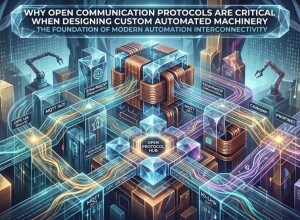
Open-source software can coexist with traditional PLCs through standard protocols such as OPC UA and MQTT Sparkplug B. Gateways like Raspberry Pi or BeagleBone act as cost-effective bridges between legacy and modern architectures.
Case Example: Machine Shop Prototype Line
A 12-person SME integrated Node-RED and OpenPLC to automate a CNC loading station. Total cost: $3,500. Payback: 3 months.
Related Articles
- Low-Cost Automation in 2025: Where to Start with < $10k
- DIY Robotics Cells: Safe, Simple, and Repeatable
- How SMEs Compete with Automation: 7 Mini-Case Studies
Conclusion
Open-source automation reduces entry barriers for SMEs. When combined with robust hardware and standard interfaces, it delivers professional-grade reliability without vendor lock-in or high overhead costs.








Interested? Submit your enquiry using the form below:
Only available for registered users. Sign In to your account or register here.