





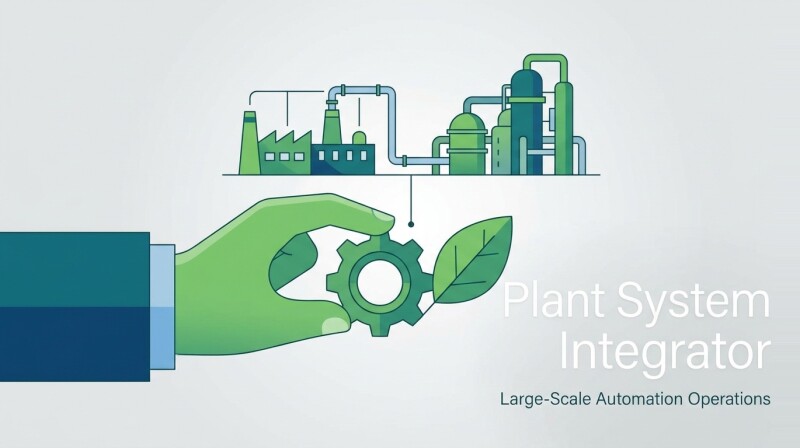
[Article]: How to Choose the Right Plant System Integrator for Large-Scale Automation Operations
Automation has become a game-changer for many manufacturers, but it can sometimes be challenging for industrial professionals to know the best ways to implement it. There are many moving parts to bring together, much like an orchestra with dozens of different instruments. Without the right conductor, the result is cacophony instead of consonance.
Many companies get results by working with a plant system integrator to bring harmony, especially if they hope to automate large-scale operations.
Experienced integrators, such as Malisko, can guide and support them through the process. The brand has more than 30 years of experience assisting manufacturers in modernizing and optimizing operations with discipline and process-focused automation. With the company's help, customers benefit from systems that improve efficiency, enhanced visibility and more.
What should manufacturing leaders consider as they evaluate the options and eventually choose a plant system integrator?
Start With the Headaches
All manufacturers face numerous challenges that may compound to slow or halt their automation plans. The guidance of an experienced plant systems integrator can assess those issues and their effects before recommending proven strategies for overcoming them.
Sometimes, manufacturers still use outdated legacy systems that may need upgrading before they can fully take advantage of automation's potential. In that case, a system integrator will identify the most effective solutions and advise whether it is possible to continue using some of the existing equipment or if replacements are more practical.
If the manufacturer produces in-demand or high-value equipment, executives may worry about operational disruptions. A skilled plant system integrator can examine factors such as the scale of the desired automation implementation, the number of sites a manufacturer operates, its workforce size and other variables that could affect the overall timeline.
They will then compile that information and provide realistic estimates, allowing decision-makers to choose whether to move forward now or wait until a less busy time.
Then there's the ever-watchful eye of regulatory compliance. This is another driving factor for many manufacturers, so they must ensure that automation plans meet authorities' requirements. Integrating components such as sensors, computer-vision cameras and data analytics interfaces can support that goal by tightening quality control and giving plant floor workers better visibility into individual processes.
A skilled plant system integrator, such as one from Malisko's team, can turn perceived obstacles into opportunities, demonstrating to executives that these challenges can be addressed with the right expertise and technologies. Leaders will then feel more confident about their automation rollouts and what the future holds.
Those seeking plant system integrators should ask for real-world examples of how those professionals have assisted others in similar situations. The resulting evidence could help them make informed choices.
Define What a Win Looks Like
Leaders who intend to increase their automation investments should also clarify what they aim to achieve before making any moves. Some companies need scalable solutions, especially if they have experienced recent growth or expect to soon. Malisko offers a complete suite of services that work well independently or together, making it easy to tailor the offerings to meet current or anticipated needs.
Executives may also want to work with companies that have in-depth experience in meeting regulatory compliance. That is especially likely if a factory makes products for human consumption, which typically have far more stringent requirements than other items.
An effective automation strategy keeps compliance in reach and consistently achievable rather than making it seem burdensome. Malisko uses a proven validation process to ensure that manufacturing clients meet Good Automated Manufacturing Practice guidelines.
Many manufacturers also maintain large quantities of proprietary information, making data integrity a priority. A great integrator will be able to speak fluently about data integrity, security and confidentiality when things need to be kept close to the vest. They can also discuss the types of data collected or stored and how those might impact automation projects.
Many automated systems also generate new information, so conversations with a plant system integrator should also focus on how to handle that content.
Reporting is another driving factor that compels many manufacturing leaders to pursue or expand their automation initiatives. Malisko’s experts know how to turn manufacturing data into actionable intelligence. The resulting insights can improve quality, elevate customer satisfaction and identify process bottlenecks.
Executives are then well positioned to address weaknesses while harnessing strengths, keeping their companies competitive despite industrial and market challenges.
Frequently Asked Questions
Here are a few other common things people want to know before hiring plant system integrators.
How much does it cost to hire a plant system integrator?
The answer depends on many factors. It’s like asking the cost of a vehicle since this depends on the make and model. The cost hinges on the project’s scope, operational complexity and scale. The best approach is to be up front about the budget early on to set clear, realistic expectations for everyone.
Does a plant system integrator work with companies over the long term?
It does. Manufacturers can think of it less as a one-time project and more as a strategic partnership. The best integrators aim to build ongoing relationships, helping companies adapt and expand systems as their needs evolve.
Can a plant system integrator assist businesses that already have systems in place?
They do, and that’s a crucial point. A flexible integrator like Malisko meets manufacturers where they are. Whether a company is building a brand-new system from the ground up, expanding on what they already have, or trying to make old and new equipment talk to each other, an experienced provider can jump in at any stage.
Harness the Power of Plant Automation
Venturing into large-scale automation doesn't have to feel like a chaotic rehearsal. The right plant system integrator acts as an expert conductor, turning potential discord into a finely tuned symphony of efficiency. By tailoring solutions to a manufacturer’s specific needs, it ensures the investment doesn't just make noise. Instead, it makes music.












Interested? Submit your enquiry using the form below:
Only available for registered users. Sign In to your account or register here.