





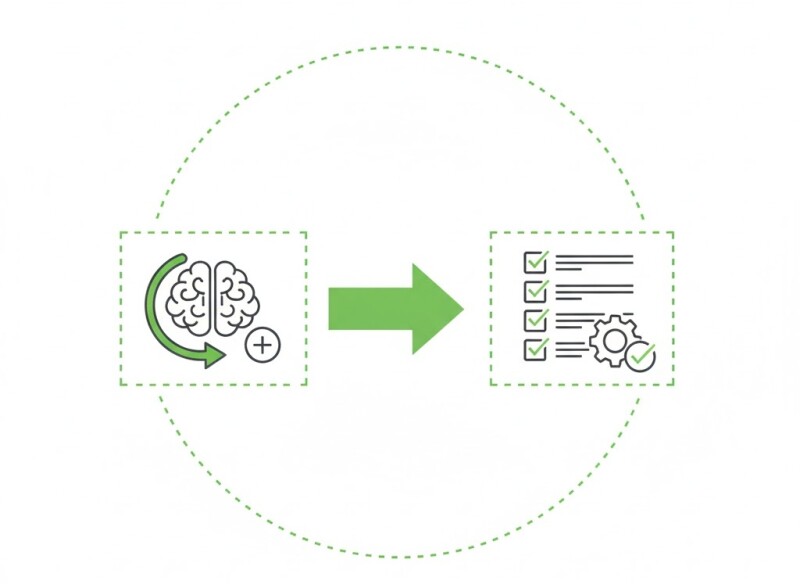
Generative AI for Test Coverage: Where It Fits
Generative AI isn’t just for content creation — it’s redefining how factories validate their processes and software. By generating test scenarios, input data, and expected outcomes, GenAI expands coverage beyond what engineers can manually design.
How It Works
Using natural language prompts or structured datasets, GenAI can generate synthetic test cases for automation sequences, PLC logic, or quality control software. This approach catches edge conditions and “unknown unknowns.”
Use Cases in Manufacturing QA
- Simulating sensor failures or network delays in virtual commissioning.
- Creating rare defect types for AI model stress testing.
- Generating synthetic control signals to validate fault-tolerant logic.
Benefits and Risks
- Pros: Rapid coverage expansion, reduced manual test scripting.
- Cons: Need for validation — generated tests may lack ground truth or realism.
Case Example
An industrial automation firm used generative AI to expand test datasets for defect classification. Model precision improved from 91% to 96% with only 3 days of additional validation work.
Related Articles
- Acoustic and Vibration AI for Process Quality
- Self-Calibration with AI: Reducing Manual Tweaks
- Statistical vs ML Quality Control: Choosing the Right Tool
Conclusion
Generative AI doesn’t replace human testing logic — it scales it. When validated properly, it uncovers edge cases that make industrial QA more resilient than ever.












Interested? Submit your enquiry using the form below:
Only available for registered users. Sign In to your account or register here.